

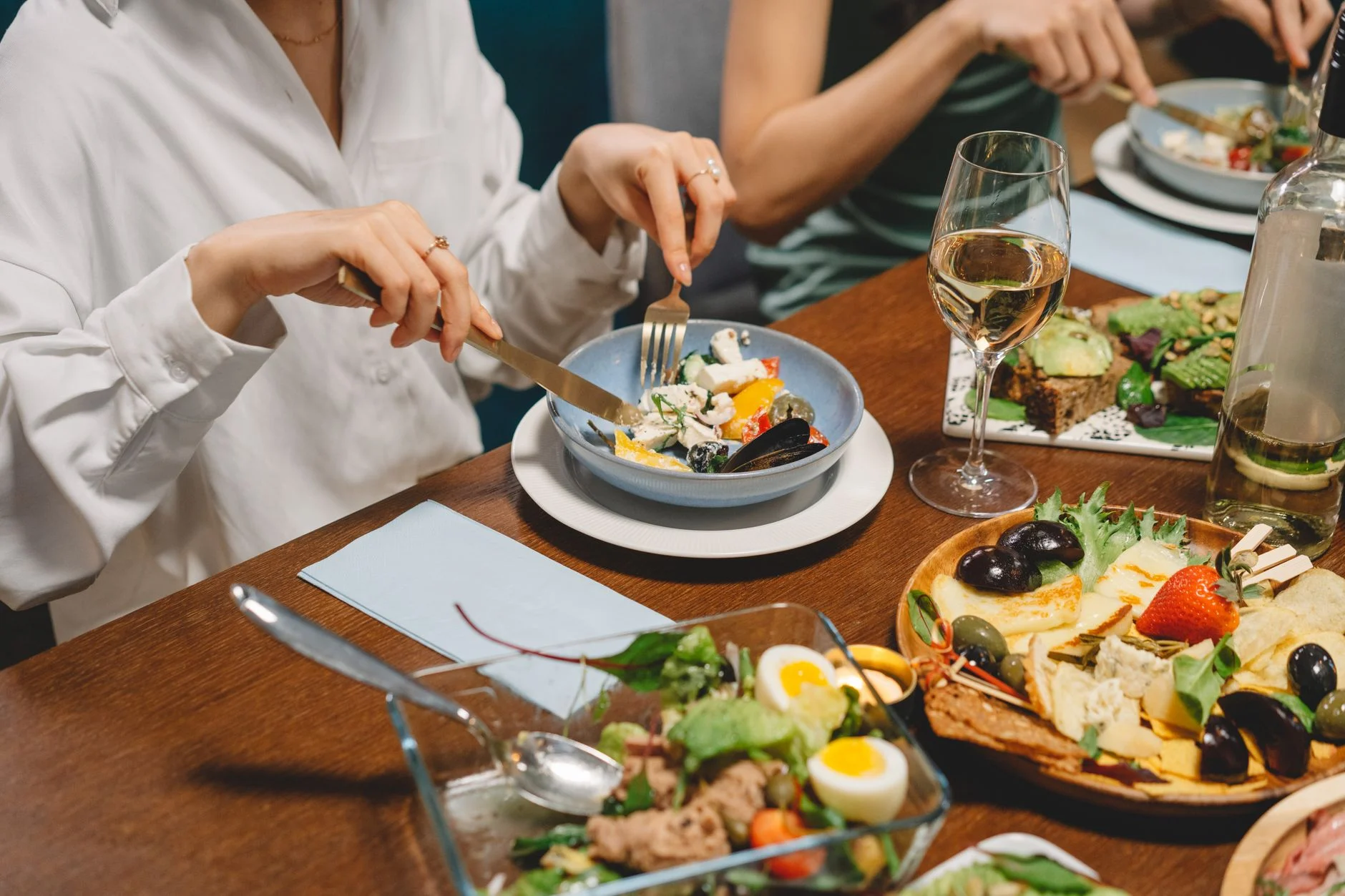
Greek Taverna Slow-Food Lessons for Mindful Eating
Welcome back to VitalityDish, your ultimate online haven for all things Mediterranean living! Have you ever wondered why meals in a sun-drenched Mediterranean village feel so profoundly different from our rushed, modern desk-lunches? Today, we are diving deep into the art of Mindful Eating Lessons from the Slow-Food Greek Taverna Culture. By examining the star ingredient of this cultural philosophy—extra virgin olive oil and the humble, multi-use Mediterranean tomato—we can transform not just what we eat, but *how* we experience every single bite.
In a world dominated by ultra-processed convenience foods and hurried eating, adopting the slow-food mindset acts as a powerful antidote to burnout. When combined with regular movement, such as The Peloponnesian Daily Stroll Habit for Longevity, or pairing your nutrition with Aegean Herbs and Teas for Deep Rest: Ultimate Guide, you create a robust foundation for holistic health. If you are looking to dive deeper into macronutrient balance, you might also enjoy our deep dive into The Ultimate Guide to Healthy Fats on Mediterranean Diets.
What Is the Slow-Food Greek Taverna Culture?
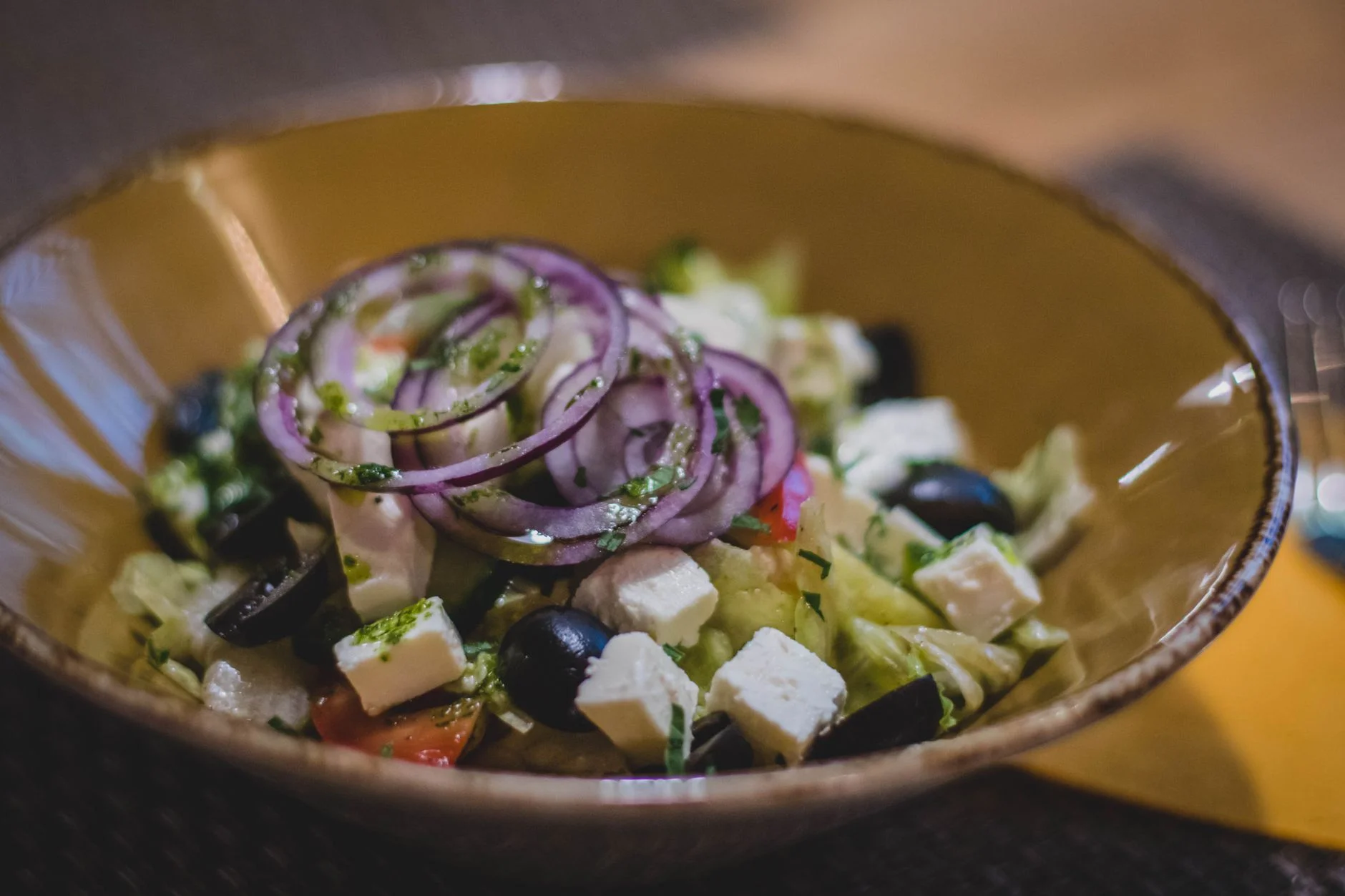
The traditional Greek taverna is not merely a place to consume calories; it is a vibrant social ecosystem designed around human connection, sensory appreciation, and patience. Central to this lifestyle is the appreciation of whole, fresh ingredients prepared with minimal intervention. When we talk about Mindful Eating Lessons from the Slow-Food Greek Taverna Culture, we are referring to the deliberate slowing down of mealtime. Plates are shared family-style, courses arrive leisurely, and conversation flows as freely as the regional wine.
This culinary framework naturally supports Sustainable Weight Management: The Mediterranean Way because it gives your gut-brain axis adequate time to signal fullness. Furthermore, understanding the ingredients that anchor this culture—such as sun-ripened tomatoes, wild greens, and cold-pressed oils—empowers you to bring these habits straight into your own kitchen.
Nutritional Profile of Taverna Staples
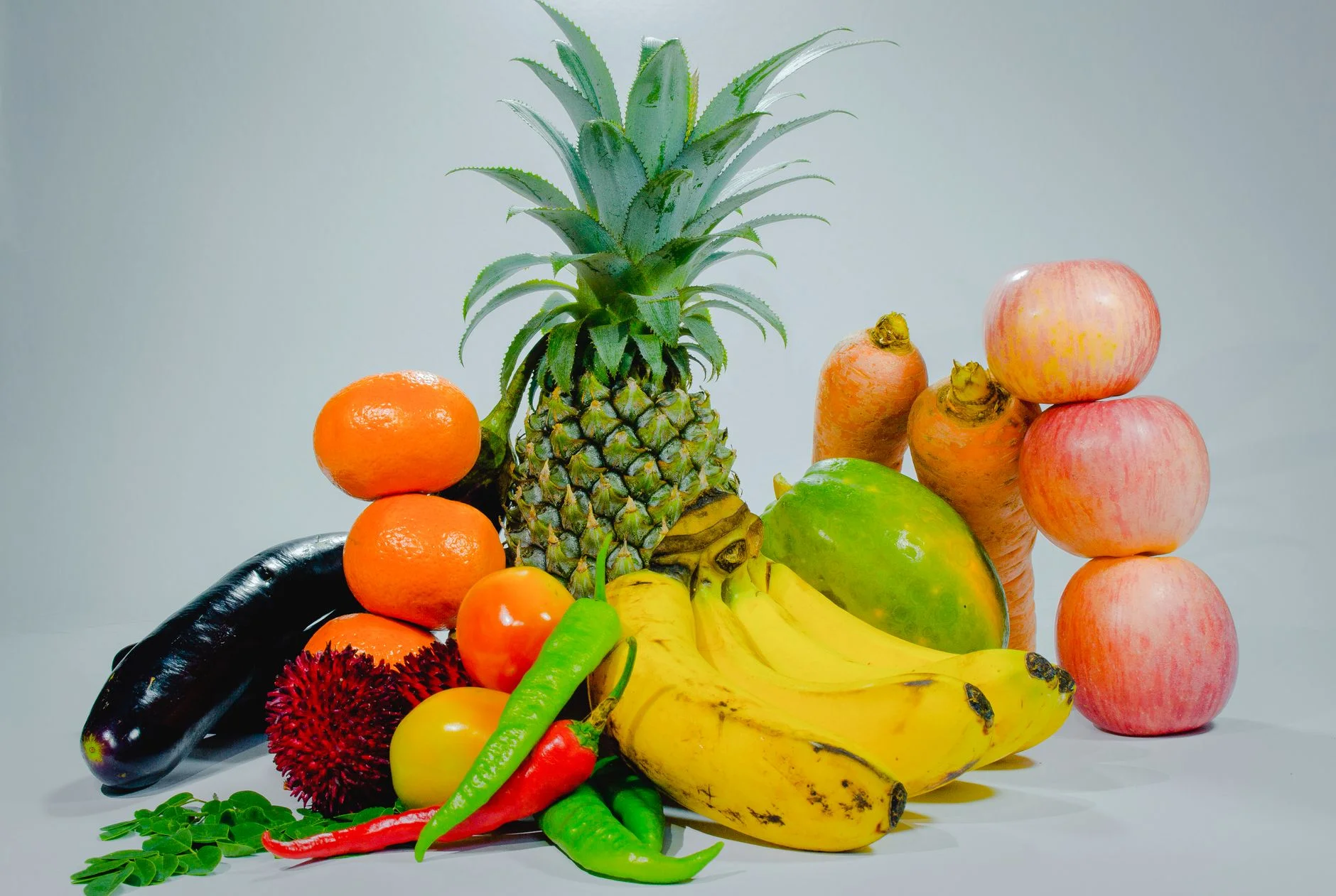
To truly understand how this lifestyle nourishes the body, let us look at the nutritional breakdown of a classic Greek taverna meze plate featuring fresh tomatoes, feta, and extra virgin olive oil (per 100g serving):
| Nutrient | Amount | % Daily Value |
|---|---|---|
| Calories | 165 kcal | 8% |
| Total Fat | 14.2 g | 22% |
| Saturated Fat | 3.1 g | 15% |
| Sodium | 320 mg | 14% |
| Total Carbohydrates | 6.5 g | 2% |
| Dietary Fiber | 1.8 g | 7% |
| Protein | 4.2 g | 8% |
Health Benefits of Mindful Taverna Eating
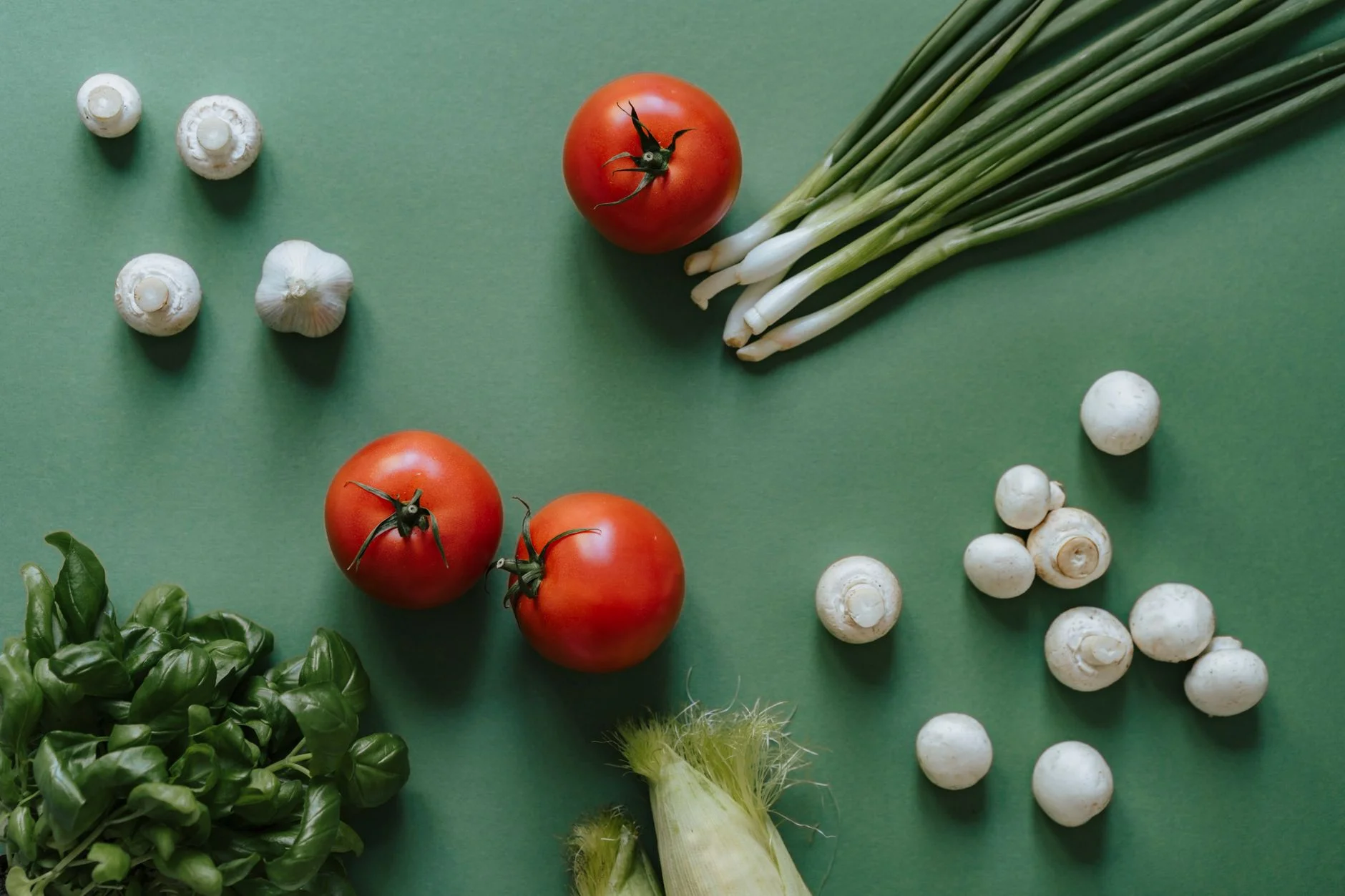
Adopting Mindful Eating Lessons from the Slow-Food Greek Taverna Culture yields incredible rewards for both mental and physical well-being. Eating slowly improves digestive efficiency, reducing bloating and discomfort. Moreover, incorporating nutrient-dense ingredients protects your long-term vitality. For instance, consuming antioxidant-rich vegetables can help you Protect Your Arteries with This Tomato Recipe, keeping your cardiovascular system resilient.
Additionally, the focus on shared, high-protein seafood dishes reinforces heart health, much like the principles found in Why Omega-3 Rich Seafood Protects Your Heart. When you eat mindfully, you tune out external distractions and tune into your body's innate hunger and satiety cues, curbing emotional overeating effortlessly.
How to Use Taverna Ingredients in Your Daily Routine
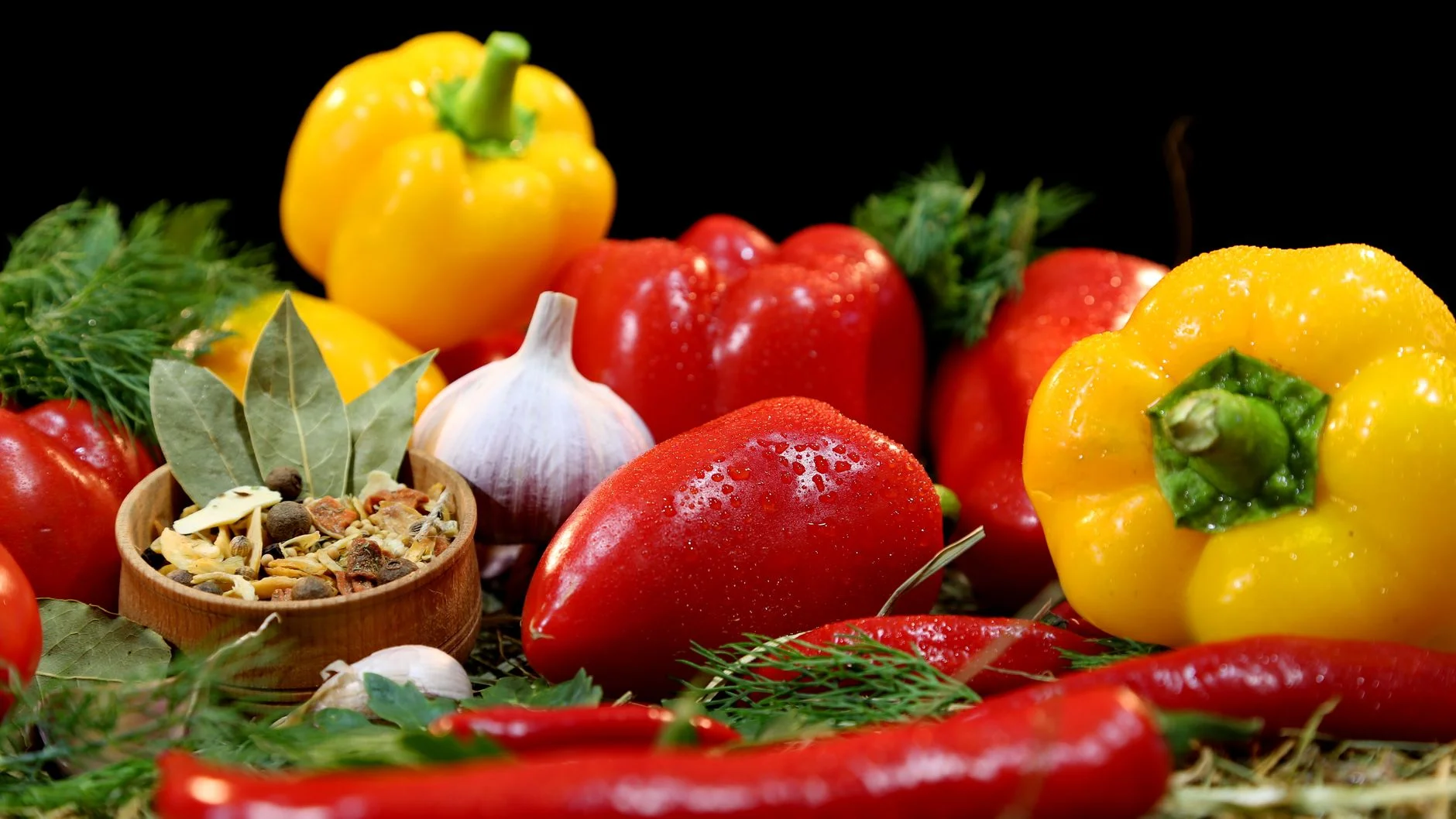
Bringing the taverna vibe home doesn't require a plane ticket to Athens. Start by transforming your dining environment:
- Turn off phones and screens during dinner to honor the food.
- Serve meals family-style in the center of the table, encouraging pausing between bites.
- Drizzle generous amounts of high-polyphenol extra virgin olive oil over every savory dish, echoing the traditions found when Walking the Olive Groves: The Ultimate Longevity Guide.
- Incorporate physical movement into your day, such as practicing Ancient Greek Athletic Training for Core Strength or following a Core Strength the Mediterranean Way: A Natural Routine to support digestion and posture.
Storage Tips for Mediterranean Pantry Staples

To keep your Greek ingredients fresh and flavorful, proper storage is essential. Keep your extra virgin olive oil in a dark, cool cupboard away from the stove to prevent oxidation. Store fresh tomatoes at room temperature on the counter—never in the refrigerator—to preserve their juicy flavor and delicate texture. Fresh herbs should be stored upright in a jar with a little water, loosely covered with a plastic bag in the fridge.
Quick Taverna-Inspired Recipe: Authentic Horiatiki Salad
Embody the spirit of Mindful Eating Lessons from the Slow-Food Greek Taverna Culture with this vibrant, unpretentious village salad that celebrates the art of slow enjoyment.
Ingredients:
- 4 large, vine-ripened field tomatoes, cut into chunky wedges
- 1 crisp cucumber, sliced into thick half-moons
- 1 red onion, thinly sliced into delicate half-rings
- Kalamata olives (a generous handful)
- 1 thick block of authentic Greek feta cheese
- 1 tbsp dried oregano
- Extra virgin olive oil and red wine vinegar to taste
Instructions:
- Arrange the tomatoes, cucumber, and red onion in a wide, shallow serving bowl.
- Scatter the Kalamata olives across the top of the vibrant vegetables.
- Place the pristine block of feta cheese right in the center of the bowl.
- Drizzle generously with cold-pressed extra virgin olive oil and a splash of red wine vinegar.
- Sprinkle with aromatic dried oregano, grab a piece of crusty whole-grain bread, and eat slowly, savoring every distinct flavor.
Frequently Asked Questions
What makes slow-food Greek taverna culture different from standard dining?
Unlike rushed modern meals, the Greek taverna culture prioritizes community, conversation, and extended periods of tasting food. This slow pace allows your brain to register fullness, leading to healthier digestion and a deeper appreciation of flavors.
Can I practice mindful eating if I have a busy schedule?
Absolutely! Even if you only have twenty minutes for lunch, you can practice mindfulness by putting your fork down between bites, turning off your work notifications, and focusing entirely on the textures, aromas, and tastes of your meal.
How does the Mediterranean diet support overall wellness?
The Mediterranean diet emphasizes whole foods, healthy fats like olive oil, lean proteins, and antioxidant-rich vegetables, which collectively reduce systemic inflammation, support heart health, and promote longevity.