

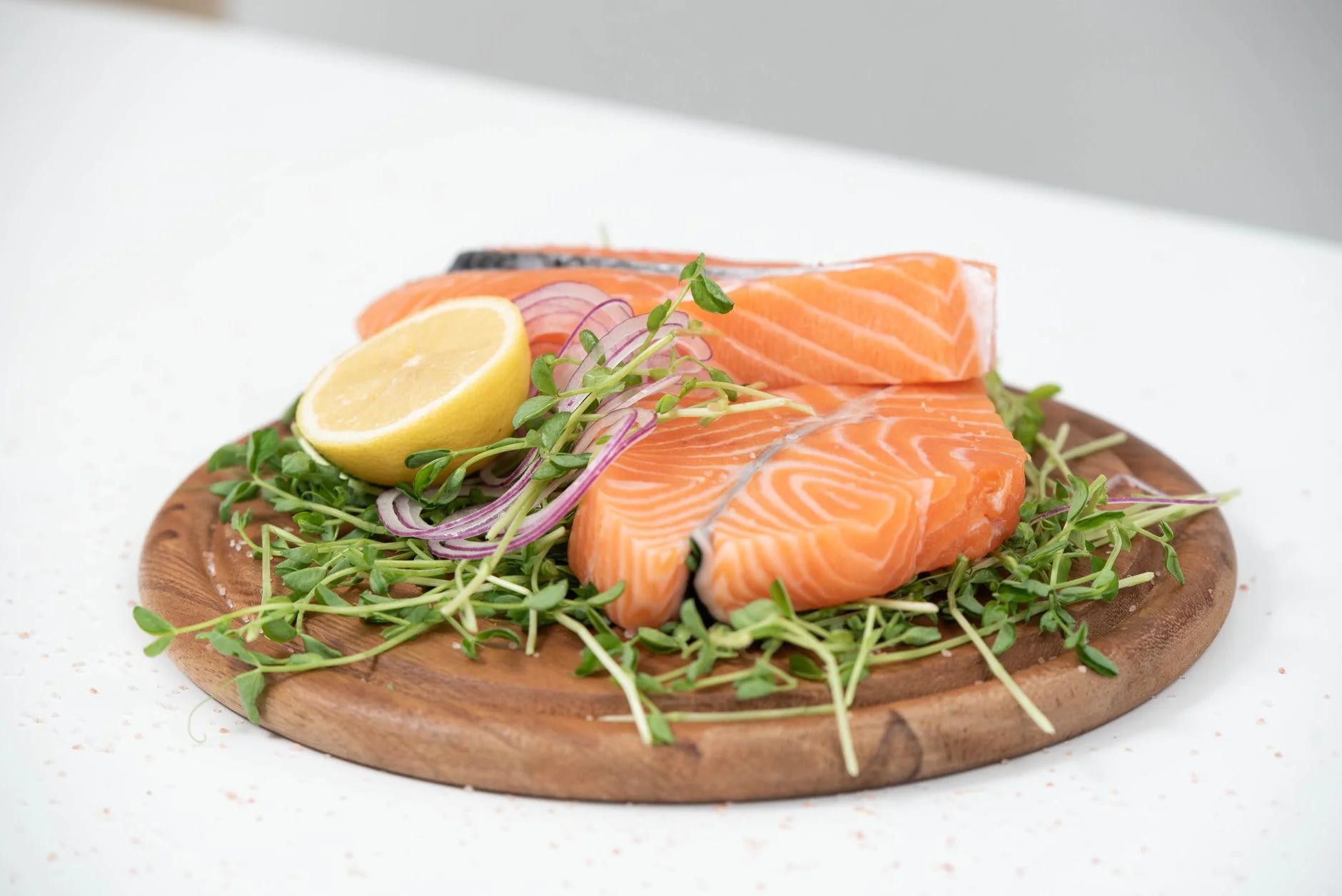
Greek Seafood Secrets for Your Heart
Welcome back to VitalityDish, your ultimate destination for wholesome living and vibrant Mediterranean flavors! If you have ever traveled along the sun-drenched coastlines of the Aegean Sea, you likely noticed something special about the local lifestyle. People live longer, healthier lives, and their plates are constantly filled with fresh catches from the deep blue waters. This longevity secret centers around Omega-3 Rich Seafoods: The Ultimate Heart Health Secret from Coastal Greece. Incorporating these incredible marine proteins into your weekly meal rotation can completely transform your cardiovascular wellness, much like adopting principles from The Mediterranean Cardioprotective Diet Explained.
What is Mediterranean Coastal Seafood?
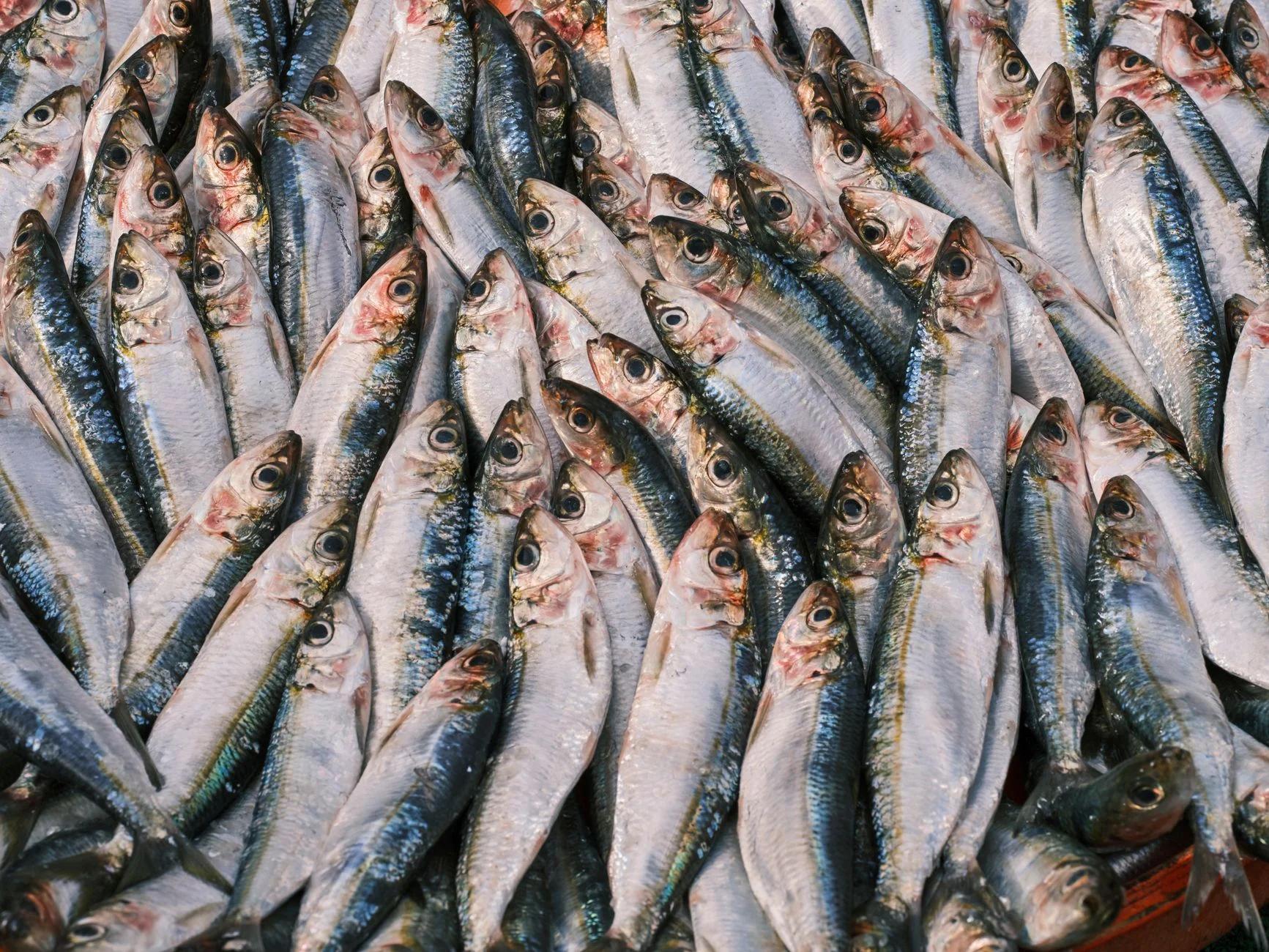
When we talk about traditional Greek seafood, we are looking at wild-caught or sustainably farmed oceanic treasures like sardines, mackerel, anchovies, sea bass, and wild salmon. Unlike heavily processed meats, these healthy fish varieties are loaded with essential polyunsaturated fatty acids that our bodies cannot manufacture on their own. For centuries, fishermen in coastal villages have hauled fresh catches straight to local tavernas, preparing them simply with extra virgin olive oil, wild oregano, and fresh lemon juice. This clean eating approach sits right alongside other regional staples, whether you are enjoying a warm morning skillet like Shakshuka for Beginners: Daily Health Tip or pairing your fish with a refreshing side dish reminiscent of The Ultimate Guide to Mediterranean Chickpea Salad.
Nutritional Profile of Omega-3 Rich Seafoods
Greek coastal fish are absolute powerhouses of essential nutrients. Below is a breakdown of the typical nutritional profile found in a standard 3-ounce (85g) serving of wild-caught oily fish like Greek sardines or mackerel:
| Nutrient | Amount per Serving (3 oz) | Daily Value (%) |
|---|---|---|
| Calories | 175 kcal | 9% |
| Total Fat | 10.5 g | 16% |
| Omega-3 Fatty Acids (EPA & DHA) | 1,250 mg | * |
| Protein | 18 g | 36% |
| Vitamin D | 450 IU | 75% |
| Selenium | 35 mcg | 50% |
Health Benefits of Omega-3 Fatty Acids
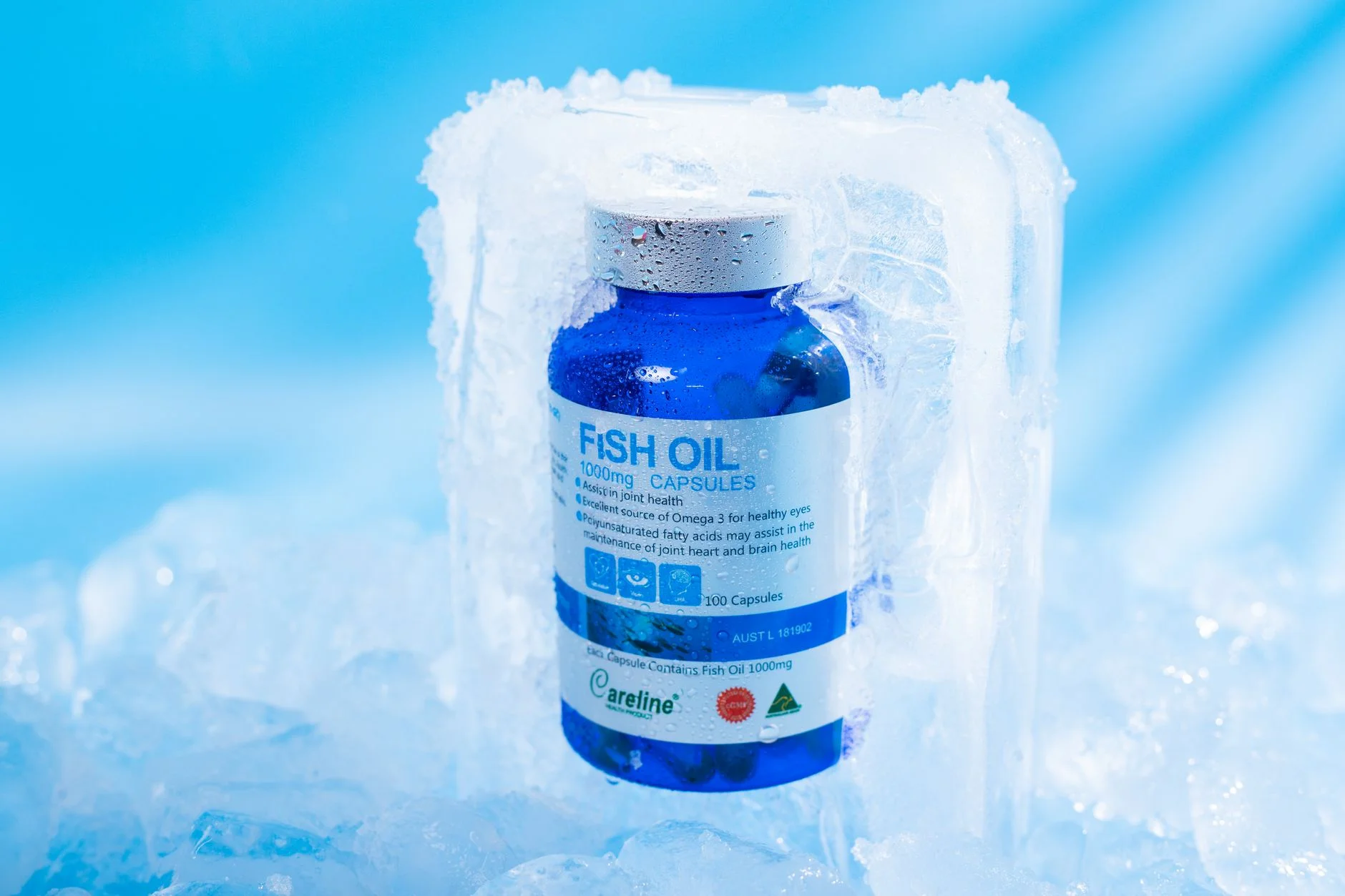
Embracing Omega-3 Rich Seafoods: The Ultimate Heart Health Secret from Coastal Greece offers a cascade of wellness advantages backed by nutritional science. Let us explore why these fish are absolute game-changers for your vitality:
- Supports Cardiovascular Health: EPA and DHA help lower triglycerides, reduce blood pressure, and decrease the risk of irregular heartbeats.
- Reduces Systemic Inflammation: Chronic inflammation is the root cause of many modern illnesses. Omega-3 fats actively combat inflammatory markers in the body.
- Boosts Brain Function: High concentrations of fatty acids nourish neural pathways, supporting memory, focus, and cognitive longevity as you age.
- Promotes Radiant Skin: Healthy fats lock in moisture at the cellular level, giving you that coveted natural Mediterranean glow.
If you love balancing your protein intake with vibrant plant-based meals, you can easily pair your seafood nights with hearty options like Mediterranean Stuffed Bell Peppers: A Complete Wel or a satisfying wrap inspired by Baked Falafel Wraps: The Complete Ingredient Guide.
How to Use Coastal Seafood in Your Kitchen
Cooking with heart-healthy fish does not have to be intimidating! The secret of coastal Greek cooking is simplicity. Let the natural flavors shine through with minimal preparation. Try tossing whole sardines onto a hot grill, drizzling them generously with Greek olive oil, and squeezing fresh lemon juice over the top just before serving. You can also flake baked mackerel into grain bowls or serve pan-seared sea bass alongside roasted vegetables.
For quick weeknight inspiration, check out The Ultimate Guide to 10 Quick Mediterranean Cooki. You can also explore smart meal-prepping ideas by reading The Ultimate Guide to Top 10 Superfoods for Energy or trying out The Ultimate Guide to Greek Lemon Chicken Bowls: H. If you enjoy a savory spread on toasted sourdough, don't miss The Ultimate Guide to Avocado and Olive Oil Toast: as a wonderful precursor to your seafood feast!
Storage Tips for Maximum Freshness
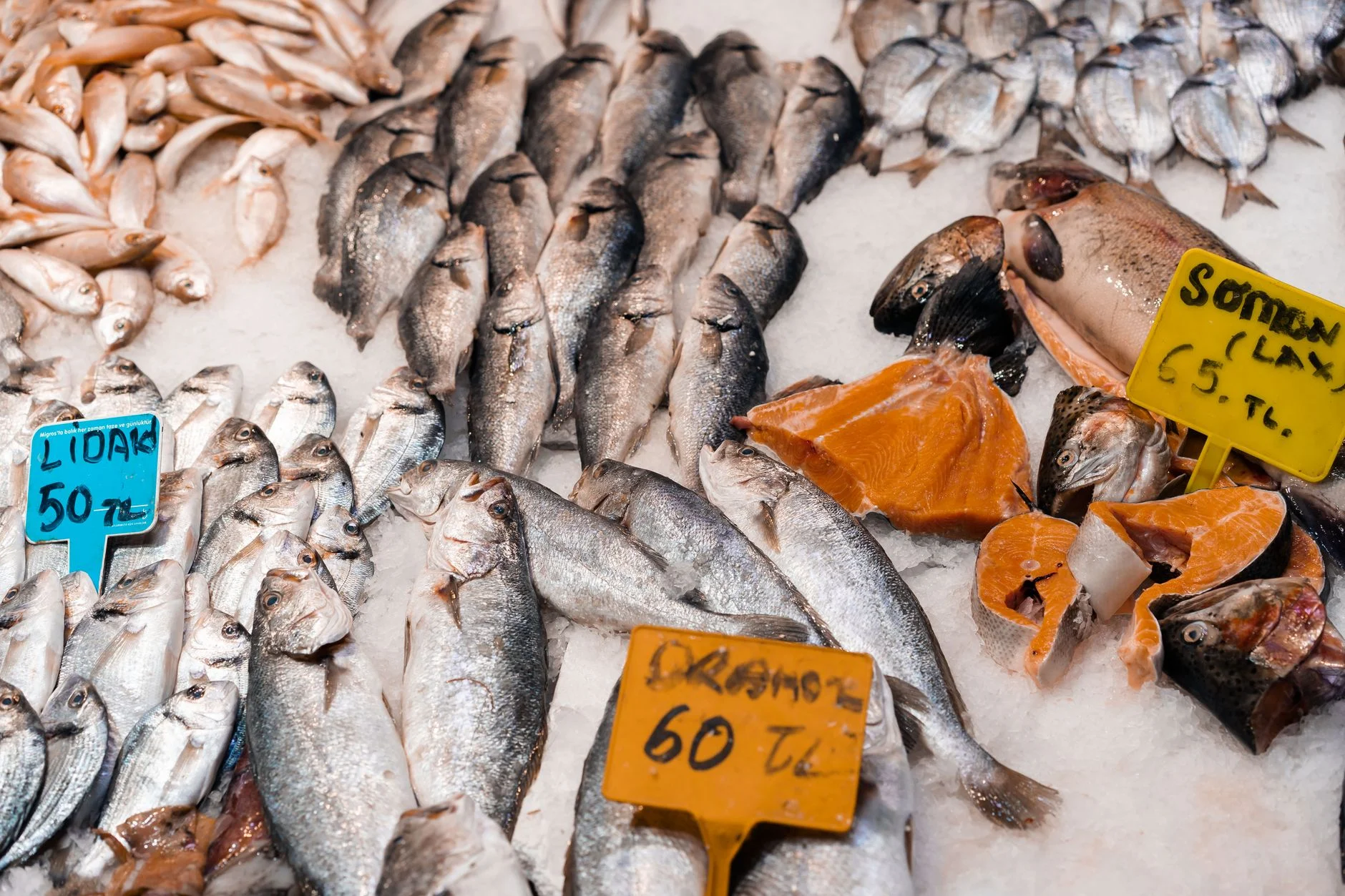
To experience the absolute best flavor and nutritional value from your Omega-3 Rich Seafoods: The Ultimate Heart Health Secret from Coastal Greece, proper storage is essential. Fresh fish should be kept in the coldest part of your refrigerator and consumed within 1 to 2 days of purchase. If you bought fresh whole fish, pack it in ice inside the fridge. Alternatively, high-quality frozen fillets can be safely stored for up to 3 months. Always thaw frozen seafood slowly in the refrigerator overnight rather than on the countertop to preserve its delicate texture and healthy oils.
Simple Greek-Style Baked Mackerel Recipe
Try this quick, incredibly flavorful recipe celebrating the best of Mediterranean ingredients:
Ingredients:
- 2 fresh mackerel or sea bass fillets
- 3 tablespoons extra virgin olive oil
- 1 lemon (juiced, plus extra slices for topping)
- 2 cloves garlic, minced
- 1 teaspoon dried Greek oregano
- Sea salt and freshly cracked black pepper to taste
- Fresh parsley, chopped for garnish
Instructions:
- Preheat your oven to 400°F (200°C) and lightly oil a baking dish.
- Rinse the fish fillets and pat them completely dry with paper towels. Place them skin-side down in the prepared baking dish.
- In a small bowl, whisk together the extra virgin olive oil, fresh lemon juice, minced garlic, oregano, salt, and pepper.
- Pour the flavorful mixture evenly over the fish fillets, ensuring they are well coated. Lay fresh lemon slices directly on top of the fish.
- Bake uncovered for 12 to 15 minutes, or until the fish flakes easily with a fork and is opaque throughout.
- Garnish with fresh chopped parsley and serve immediately with a drizzle of your favorite cold-pressed olive oil. Enjoy!
Frequently Asked Questions
What makes Omega-3 rich seafoods from Greece so special?
Coastal Greek waters and traditional sustainable fishing methods yield fish with exceptional purity and robust nutritional profiles. Combined with the heart-healthy lifestyle of the region, these seafoods provide an abundance of anti-inflammatory EPA and DHA fatty acids.
How often should I eat oily fish for heart health?
Health organizations and Mediterranean diet guidelines generally recommend consuming at least two servings (about 3 to 4 ounces each) of fatty fish per week to maintain optimal cardiovascular health.
Can I use frozen fish if fresh Greek seafood is unavailable?
Yes! High-quality flash-frozen wild-caught fish locks in nutrients and omega-3 fatty acids right at sea, making it a wonderfully nutritious and convenient alternative when fresh options are hard to find.