

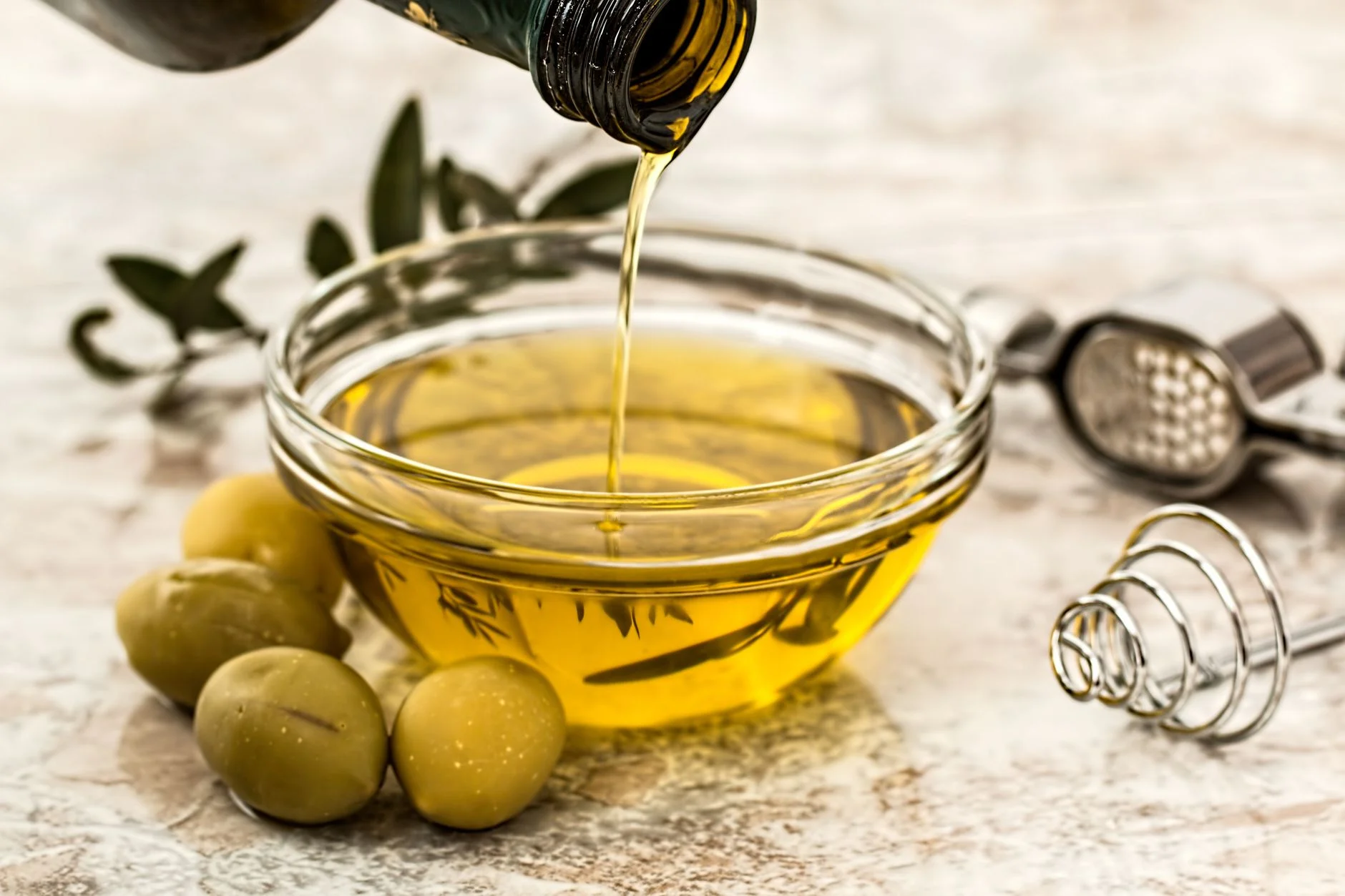
Protect Your Arteries: Olive Oil and Nuts Guide
Welcome back to VitalityDish, your ultimate destination for embracing a vibrant, wholesome lifestyle! If you have ever wondered why populations basking in the Mediterranean sun boast such remarkable longevity and glowing cardiovascular wellness, the secret lies deeply rooted in their daily pantry staples. Today, we are diving deep into The Mediterranean Cardioprotective Diet: How Olive Oil and Nuts Protect Your Arteries. By understanding how these two powerhouse ingredients safeguard your vascular system, you can easily transform your everyday meals into potent medicine for your heart.
Whether you are already a fan of heart-healthy fats or just beginning your journey into clean eating, incorporating these nutrient-dense elements is simpler than you think. You can easily start by trying The Ultimate Guide to Avocado and Olive Oil Toast: for a quick breakfast, or explore our refreshing Feta and Watermelon Salad: Daily Health Tip for a burst of summer flavor that complements your healthy lifestyle.
What is The Mediterranean Cardioprotective Diet?
At its core, The Mediterranean Cardioprotective Diet is not a restrictive weight-loss fad; it is a traditional way of eating rich in colorful vegetables, whole grains, legumes, fresh fish, and, most importantly, healthy plant-based fats. When researchers first noticed the exceptionally low rates of heart disease in countries like Greece and Southern Italy, they pointed straight to the high consumption of extra virgin olive oil and tree nuts. These foods work synergistically to reduce systemic inflammation, lower LDL cholesterol, and keep your arterial walls flexible and strong.
Nutritional Profile of Olive Oil and Nuts
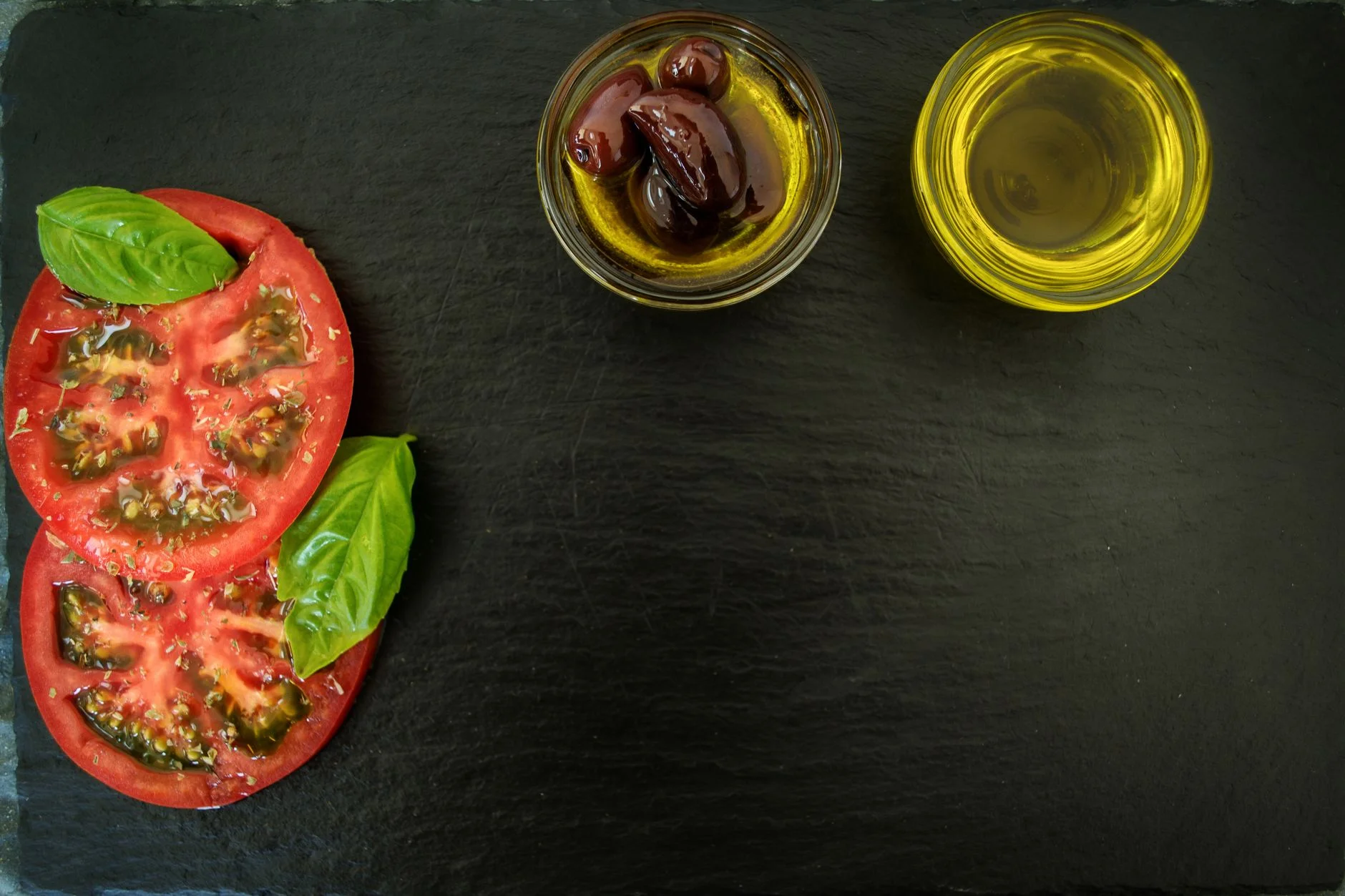
To truly appreciate how these ingredients protect your vascular network, let us break down their impressive nutritional profiles. Both olive oil and raw nuts pack dense matrices of micronutrients designed to support optimal human wellness.
| Nutrient Component | Extra Virgin Olive Oil (1 tbsp) | Mixed Tree Nuts (1 oz / 28g) |
|---|---|---|
| Calories | 119 kcal | 160-200 kcal |
| Total Fats | 13.5 g | 14-18 g |
| Monounsaturated Fats (MUFAs) | 9.8 g | 8-11 g |
| Polyunsaturated Fats (PUFAs) | 1.4 g | 3-5 g (includes Omega-3s) |
| Key Antioxidants / Vitamins | Vitamin E, Oleocanthal | Vitamin E, Magnesium, Selenium |
Health Benefits: How Olive Oil and Nuts Protect Your Arteries
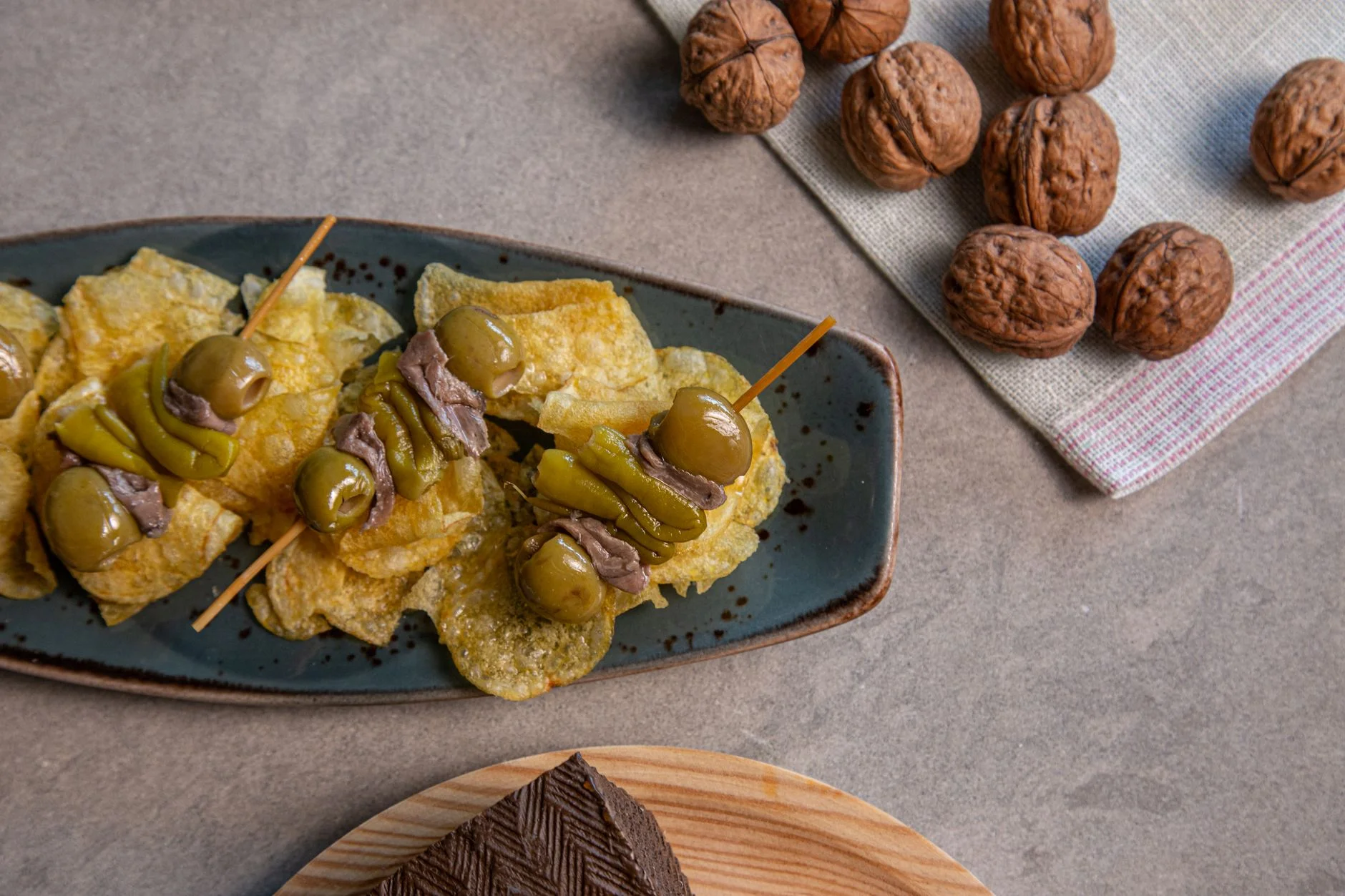
When discussing The Mediterranean Cardioprotective Diet: How Olive Oil and Nuts Protect Your Arteries, the science of cardiovascular health takes center stage. Extra virgin olive oil is packed with powerful polyphenols like oleocanthal, which exhibits anti-inflammatory properties similar to natural ibuprofen, calming the micro-inflammation that leads to plaque buildup. Meanwhile, nuts—especially walnuts—are bursting with alpha-linolenic acid (ALA), a plant-based omega-3 fatty acid that prevents dangerous blood clots and normalizes heart rhythms.
Furthermore, regular consumption of these heart-friendly fats helps improve endothelial function, which is the ability of your blood vessels to dilate and contract properly. For a comforting evening meal that utilizes these principles, consider preparing Mediterranean Stuffed Bell Peppers: A Complete Wel stuffed with wholesome grains and drizzled with finishing oil.
How to Incorporate Them Into Your Daily Routine
Integrating these arterial-protecting ingredients into your everyday routine requires zero culinary mastery. Here are some simple, delicious ways to enjoy them:
- Drizzle raw, cold-pressed extra virgin olive oil generously over roasted vegetables, homemade soups, or vibrant salads.
- Keep a small handful of raw walnuts, almonds, or pistachios at your desk for a satisfying mid-afternoon energy booster.
- Use olive oil as your primary cooking fat for low-to-medium heat sautéing and dressings.
- Incorporate flavorful, satisfying meals like our Baked Falafel Wraps: The Complete Ingredient Guide, paired with a rich tahini and olive oil dressing.
Proper Storage Tips for Maximum Freshness
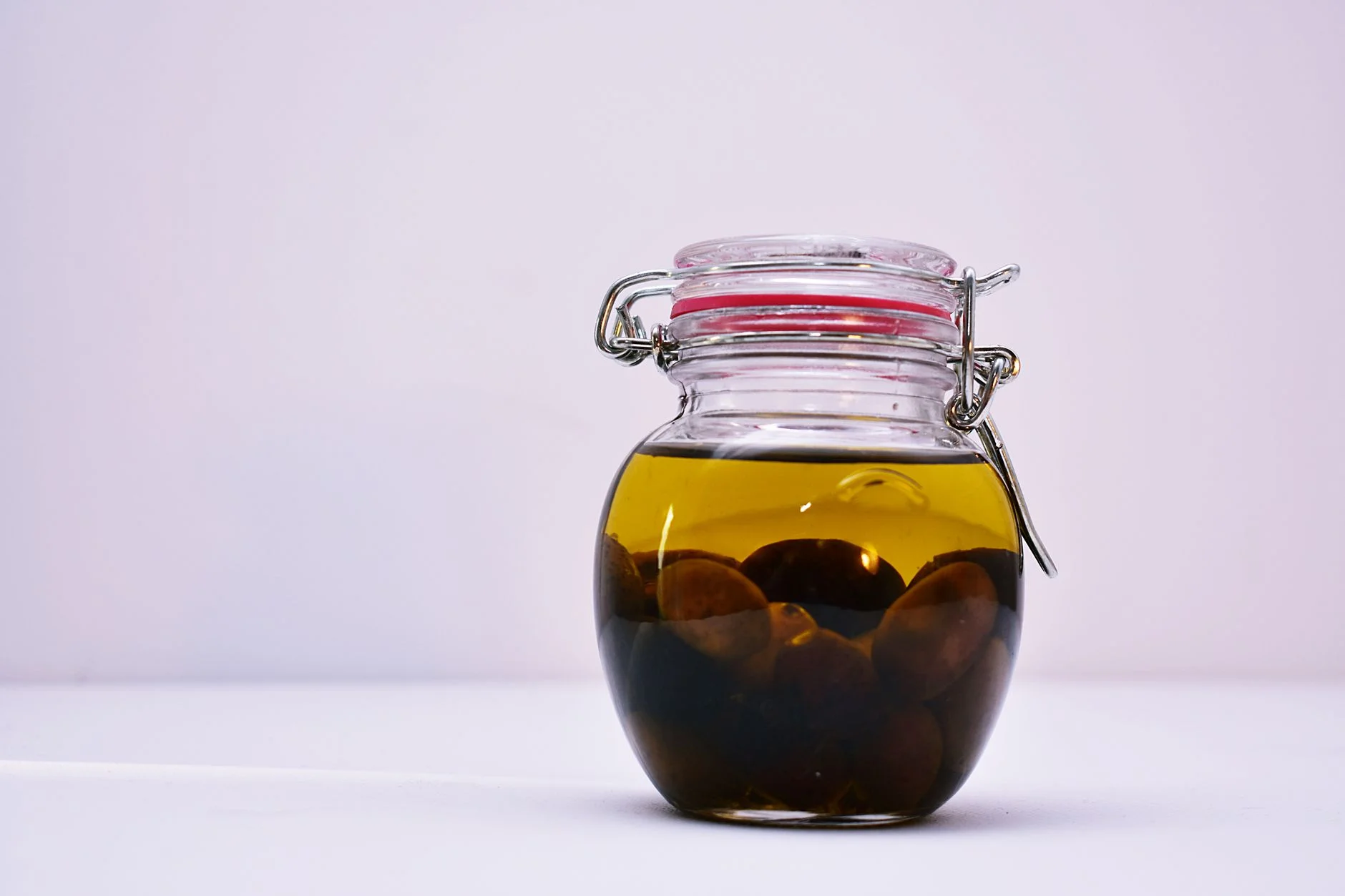
Because healthy fats are susceptible to oxidation when exposed to light, heat, and air, proper storage is essential to preserve their cardioprotective benefits.
- Olive Oil: Store your oil in a dark glass bottle or tin away from the stove. Keep it in a cool, dark pantry cabinet and use it within 1 to 2 months of opening.
- Nuts: To prevent the delicate oils inside nuts from going rancid, store shelled nuts in airtight containers in the refrigerator for up to six months, or in the freezer for up to a year.
Frequently Asked Questions
Can olive oil be used for high-heat cooking?
Yes, authentic extra virgin olive oil has a higher smoke point than many assume (around 375°F to 410°F) and contains protective antioxidants that prevent the formation of harmful free radicals during standard cooking.
Which nuts are best for heart health?
While all tree nuts offer fantastic benefits, walnuts are uniquely exceptional due to their high concentration of plant-based omega-3 fatty acids, making them a top-tier choice for arterial protection.
How much olive oil should I consume daily?
Studies suggest that consuming about 1 to 2 tablespoons of extra virgin olive oil daily as a replacement for saturated fats like butter or margarine yields optimal cardiovascular benefits.