

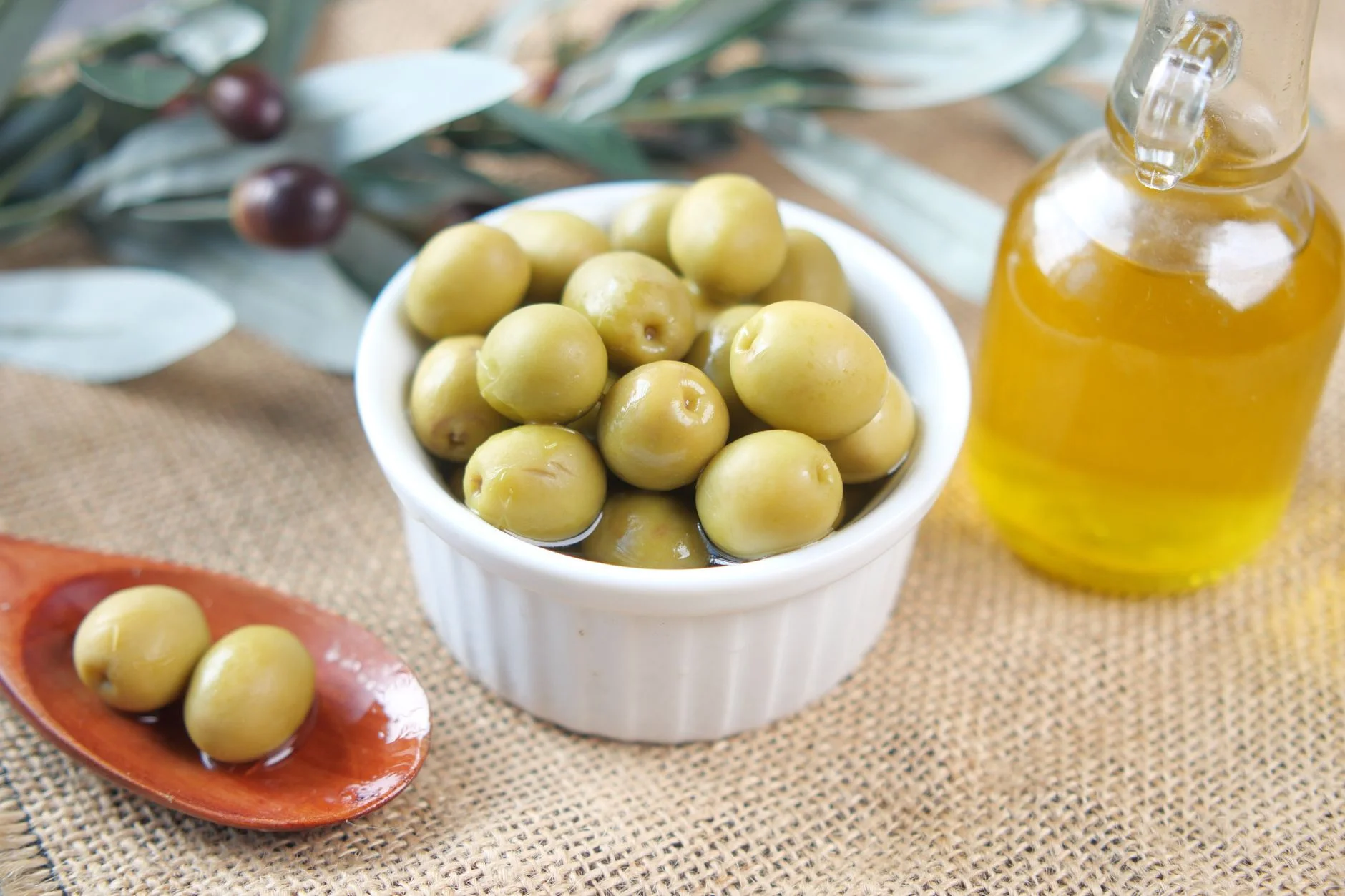
Decoding EVOO: The Ultimate Polyphenol Guide
Welcome back to VitalityDish, your ultimate online destination for all things Mediterranean living, vibrant wellness, and nourishing food! If you have ever stared blankly down the grocery store oil aisle, overwhelmed by rows of dark glass bottles, flashy Italian flags, and confusing harvest dates, you are certainly not alone. The world of culinary oils can feel like a labyrinth, but finding the right bottle is transformative for your well-being. Today, we are diving deep into Decoding Extra Virgin Olive Oil: How to Choose the Healthiest Polyphenol-Rich Fats to help you elevate both your cooking and your vitality.
At the very heart of the celebrated Mediterranean lifestyle lies liquid gold. When you begin exploring Decoding Extra Virgin Olive Oil: How to Choose the Healthiest Polyphenol-Rich Fats, you unlock the secret mechanism behind why traditional Mediterranean populations enjoy such remarkable longevity and robust cardiovascular wellness. As you learn to navigate high-polyphenol oils, you will also discover how to weave them into delicious daily routines, perhaps pairing your newfound culinary knowledge with insights from The Mediterranean Cardioprotective Diet Explained for an even deeper understanding of heart-healthy habits.
Understanding the Power of Polyphenol-Rich Fats
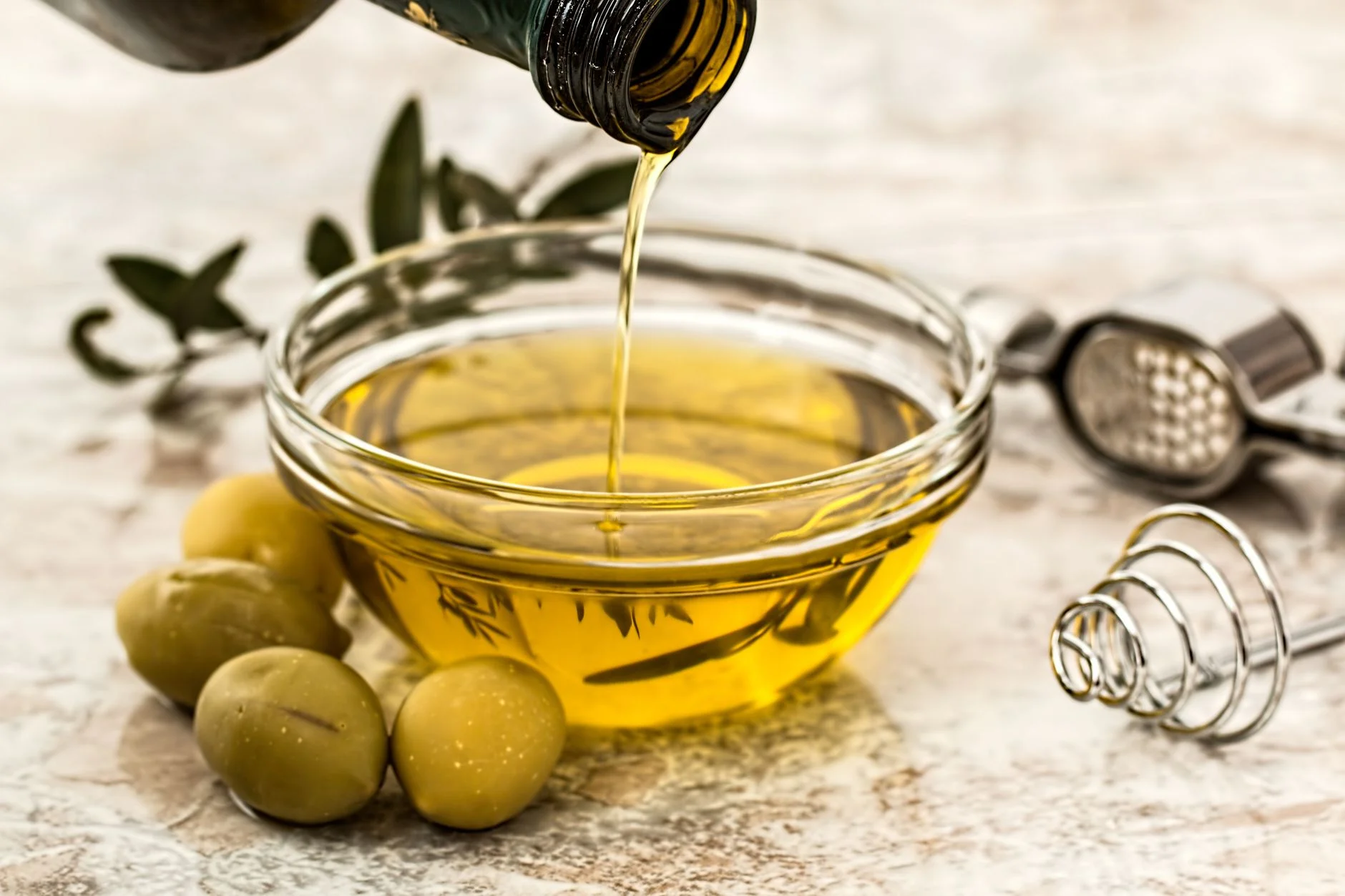
To truly appreciate why extra virgin olive oil (EVOO) stands head and shoulders above standard vegetable or refined oils, we must look at what happens inside the olive fruit itself. Unlike refined oils that are chemically extracted using high heat and industrial solvents, true extra virgin olive oil is simply fresh fruit juice squeezed mechanically without heat or chemicals. This gentle process preserves the delicate micro-nutrients known as polyphenols.
Polyphenols are powerful natural antioxidants that protect your cells from oxidative stress and inflammation. When you embark on Decoding Extra Virgin Olive Oil: How to Choose the Healthiest Polyphenol-Rich Fats, you are essentially learning how to spot the oils packed with the highest concentration of these protective compounds. High-polyphenol oils often present a distinct sensory experience: a pungent tickle in the back of your throat and a pleasant bitterness on your tongue. Far from being flaws, these characteristics are badge marks of exceptional health benefits and superior quality.
Integrating these healthy fats into your meals supports everything from metabolic function to radiant skin. For instance, drizzling a robust, high-antioxidant EVOO over a freshly prepared dish can elevate both flavor and nutrient absorption. You can test this out by applying your knowledge to wonderful recipes like our The Ultimate Guide to Lemon Herb Grilled Salmon: H, where the grassy notes of premium oil amplify the natural richness of the fish.
Key Factors to Consider When Selecting Quality Olive Oil
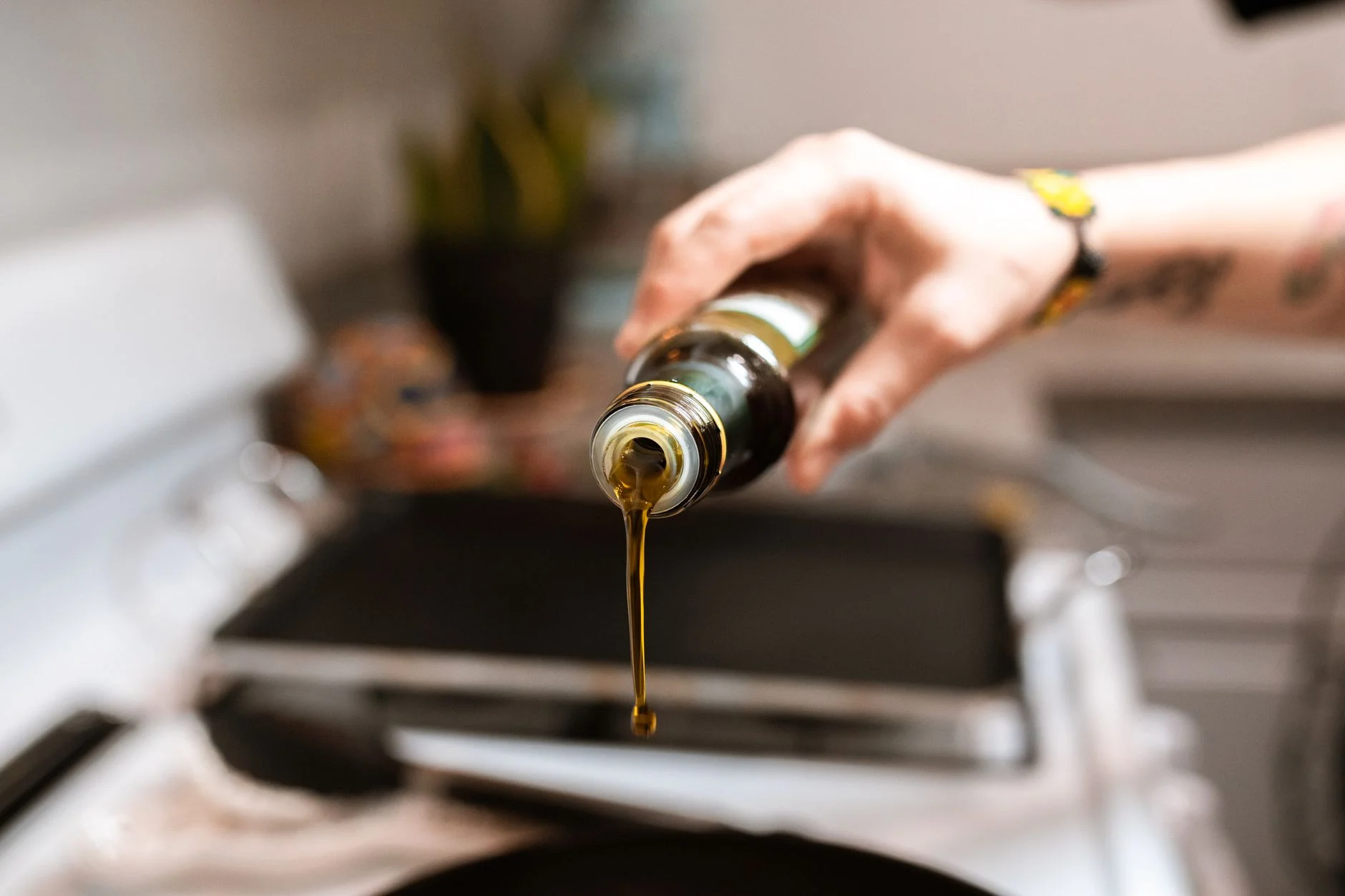
Choosing a genuinely healthy, authentic bottle of extra virgin olive oil requires looking past clever marketing labels like "pure," "light," or "imported from Italy" (which often just means it was bottled there, sourced from multiple mystery countries). Instead, you need to read the label like a detective. Here are the core pillars of Decoding Extra Virgin Olive Oil: How to Choose the Healthiest Polyphenol-Rich Fats at the grocery store:
- Harvest Date: Olive oil is not like wine; it does not improve with age. Look for a specific harvest date rather than just a "best by" date. Fresher oil means higher polyphenol counts. Ideally, consume your oil within 12 to 18 months of harvest.
- Packaging: Light and heat are the arch-nemesis of olive oil, degrading its delicate antioxidants and causing rancidity. Always purchase oil housed in dark green glass, opaque tins, or ceramic containers. Never buy EVOO in clear plastic bottles.
- Origin and Transparency: Single-origin oils that name the specific estate, region, or mill are far more trustworthy than generic blends. Knowing where your food comes from is a core tenet of mindful, healthy living.
- Sensory Profile: High-polyphenol oils taste alive. Look for descriptors on tasting notes like "grassy," "peppery," "pungent," or "artichoke."
Once you secure a magnificent bottle of high-polyphenol EVOO, you will find endless ways to incorporate it into your daily meal prep. Whether you are whipping up quick weeknight dinners inspired by The Ultimate Guide to 10 Quick Mediterranean Cooki or constructing nutrient-dense bowls like our The Ultimate Guide to Quinoa Tabbouleh Bowl: Healt, premium olive oil serves as your ultimate culinary foundation.
Step-by-Step Recipe: Antioxidant-Rich Lemon Herb EVOO Dressing & Roasted Vegetable Medley
Nothing showcases the brilliance of high-polyphenol extra virgin olive oil quite like letting it shine in a raw, vibrant dressing paired with roasted seasonal vegetables. This recipe highlights how healthy fats act as flavor carriers while boosting the absorption of fat-soluble vitamins (A, D, E, and K) from your veggies.
Ingredients:
- 1 large bunch of asparagus, woody ends trimmed
- 2 cups mixed cherry tomatoes
- 1 yellow bell pepper, sliced into strips
- 4 tablespoons high-polyphenol extra virgin olive oil (divided)
- 1 organic lemon (zested and juiced)
- 1 clove fresh garlic, finely minced
- 1 teaspoon dried oregano
- Sea salt and freshly cracked black pepper to taste
- Optional protein addition: Serve alongside dishes like our Baked Falafel Wraps: The Complete Ingredient Guide for a complete Mediterranean feast.
Instructions:
- Preheat your oven to 425°F (220°C) and line a large baking sheet with parchment paper.
- Arrange the asparagus, cherry tomatoes, and bell pepper slices in a single layer on the prepared baking sheet.
- Drizzle 2 tablespoons of your high-polyphenol extra virgin olive oil evenly over the vegetables. Sprinkle with sea salt and black pepper, tossing gently with your hands to ensure every piece is lightly coated.
- Roast in the preheated oven for 18 to 22 minutes, or until the asparagus is tender-crisp and the cherry tomatoes begin to burst with sweet juices.
- While the vegetables are roasting, prepare the vibrant dressing. In a small mixing bowl, whisk together the remaining 2 tablespoons of premium extra virgin olive oil, fresh lemon juice, lemon zest, minced garlic, and dried oregano.
- Remove the roasted vegetables from the oven and transfer them to a wide serving platter.
- Immediately drizzle the zesty lemon-herb EVOO dressing over the warm vegetables, allowing the residual heat to release the aromatic compounds of the garlic and herbs.
- Serve warm or at room temperature as a magnificent side dish or as part of a larger grain bowl lunch. Enjoy knowing you are nourishing your body with exceptional polyphenol-rich fats!
Nutrition Facts
Below is the approximate nutritional breakdown for one serving (about 1/4 of the roasted vegetable medley dressed with premium extra virgin olive oil):
| Nutrient | Amount per Serving | % Daily Value* |
|---|---|---|
| Calories | 165 kcal | 8% |
| Total Fat | 14g | 22% |
| Saturated Fat | 2g | 10% |
| Monounsaturated Fat (Oleic Acid) | 10.5g | - |
| Sodium | 140mg | 6% |
| Total Carbohydrates | 9g | 3% |
| Dietary Fiber | 3g | 12% |
| Sugars | 4g | - |
| Protein | 2g | 4% |
| Polyphenols (Antioxidants) | ~15-25mg | - |
*Percent Daily Values are based on a 2,000 calorie diet. Your daily values may vary depending on your caloric needs.
Frequently Asked Questions

Can you cook with extra virgin olive oil, or does heat destroy the polyphenols?
You can absolutely cook with extra virgin olive oil! High-quality EVOO has a stable smoke point (around 375°F to 410°F / 190°C to 210°C) thanks to its high monounsaturated fat content and protective antioxidants. While gentle heating does cause a minor reduction in some volatile polyphenols, studies show that EVOO remains exceptionally stable and transfers its beneficial antioxidants into cooked foods far better than refined vegetable oils.
Why does high-quality olive oil burn the back of my throat?
That distinctive peppery burn or minor tickle in the back of your throat is actually a sign of superior quality! It is caused by a potent polyphenol called oleocanthal. Oleocanthal shares natural anti-inflammatory properties similar to ibuprofen. When you experience that pleasant throat catch, you know you are tasting a genuinely high-polyphenol fat that will provide incredible health benefits.
How should I store my extra virgin olive oil to keep it fresh?
To preserve the delicate polyphenols and prevent oxidation, store your extra virgin olive oil in a cool, dark cupboard away from direct sunlight and heat sources like your stove or oven. Always ensure the cap is tightly sealed after every use. Avoid keeping large quantities in clear bottles on your countertop, and aim to finish your bottle within a couple of months of opening.
Is expensive olive oil always better than affordable options?
Price does not always guarantee quality, though extreme cheapness in extra virgin olive oil is often a red flag for adulteration or blending with refined oils. Look for certifications, harvest dates, single-origin labeling, and dark glass bottles rather than relying solely on price tags. Many cooperative mills produce exceptional, authentic EVOO at reasonable everyday prices.
Conclusion
Mastering the art of selecting liquid gold is one of the most impactful steps you can take for your daily wellness journey. By moving past confusing grocery store marketing and focusing on harvest dates, dark packaging, and polyphenol-dense sensory profiles, you empower yourself to make choices that nourish your cells from the inside out. Remember that true extra virgin olive oil is more than just a cooking medium—it is a cornerstone of vitality, a powerful anti-inflammatory food, and a delicious celebration of the Mediterranean lifestyle. Here is to your health, your kitchen adventures, and enjoying every single drop of your vibrant, polyphenol-rich life!