

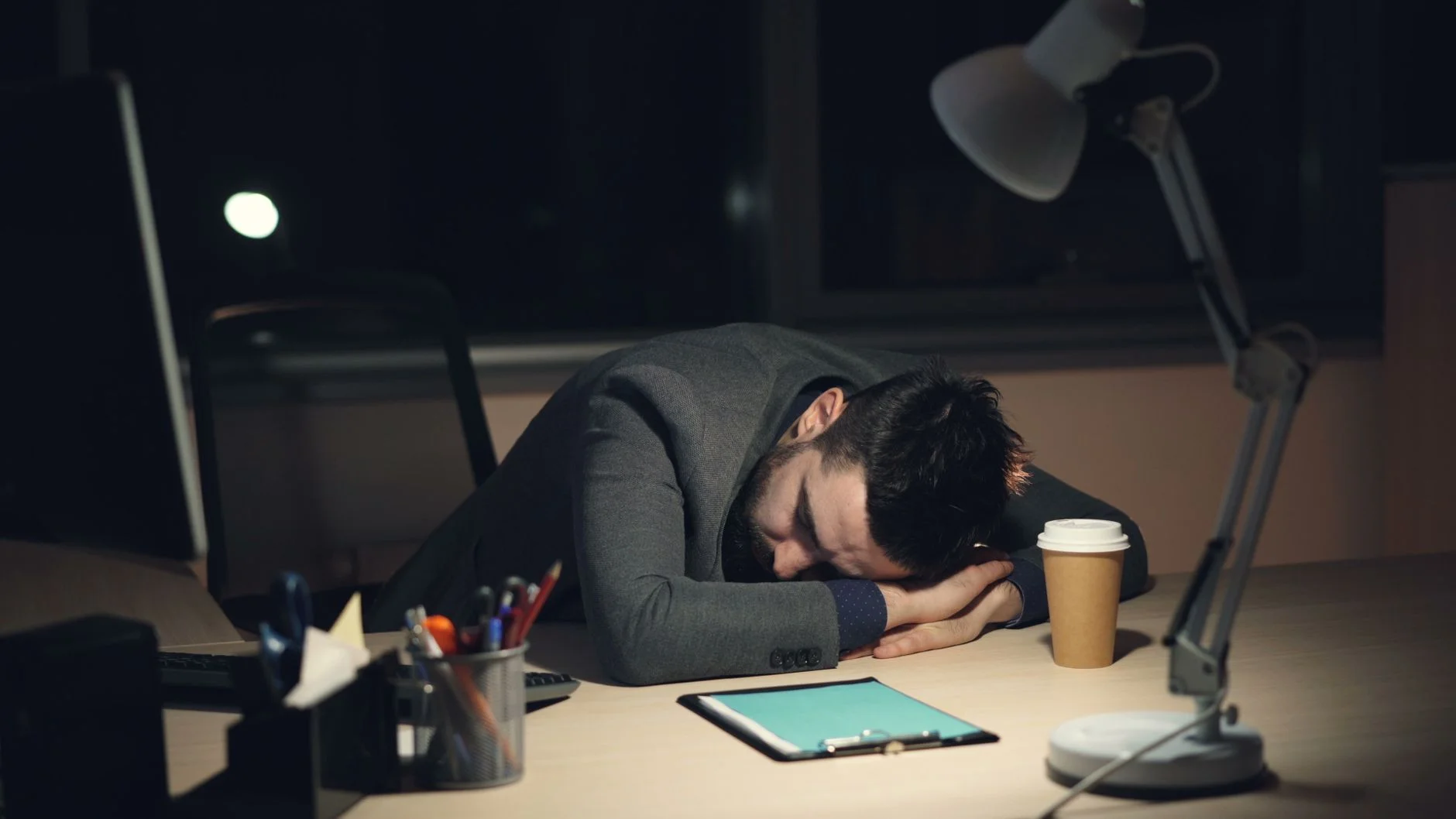
Circadian Reset: Stop Late-Night Snacking
Welcome back to VitalityDish, your go-to corner for wholesome living and Mediterranean inspiration! Have you ever found yourself wandering into the kitchen at 10 PM, craving a heavy snack despite already eating dinner? We have all been there. However, modern wellness science and traditional Mediterranean wisdom agree that eating late messes with your internal clock. In fact, understanding The Circadian Rhythm Reset: How Late-Night Snacking Ruins Your Sleep is the ultimate game-changer for reclaiming your nightly rest and metabolic health. When we eat close to bedtime, our body struggles to transition from digestion to deep, restorative sleep. If you want to wake up feeling vibrant and energized, it is time to look at how late-night eating wrecks your sleep architecture and circadian biology.
Why Nighttime Eating Destroys Your Sleep and Internal Clock

Your body runs on a master biological clock located in the brain, known as the suprachiasmatic nucleus. This clock dictates everything from hormone production to digestion. When you introduce food late at night, you send confusing signals to your peripheral clocks in organs like the liver and pancreas, which expect a fasting state during dark hours. This misalignment can lead to fragmented sleep, acid reflux, and morning grogginess. To help you regain control, here is a top list of why late-night snacking harms your nights and how you can fix it.
1. Spikes Blood Sugar and Disrupts Melatonin
When you consume a midnight snack—especially one high in refined carbs or sugars—your pancreas releases a surge of insulin. This sudden glucose spike conflicts with the natural evening drop in insulin sensitivity, causing your blood sugar to roller-coaster overnight. Furthermore, late-night digestion raises your core body temperature. A cooler body is essential for producing melatonin, the sleep hormone. When your metabolism stays active to process food, melatonin production plummets, leaving you tossing and turning.
Benefits of Fixing This: Stabilizing your evening blood sugar leads to deeper, uninterrupted REM cycles and a faster time to fall asleep. For more insights on optimizing your mineral intake naturally, check out our guide on Magnesium-Rich Foods for Sleep: A Mediterranean Gu to support your nighttime relaxation.
2. Overworks the Digestive System
In the traditional Mediterranean lifestyle, the largest meal is eaten midday, allowing plenty of time for digestion before resting. Conversely, late-night snacking forces your gastrointestinal tract to work overtime while you lie horizontally. This often results in indigestion, bloating, and nighttime heartburn, preventing your body from entering physical repair mode. For daytime vitality that supports better sleep, consider pairing your routine with tips from Walking the Olive Groves: The Ultimate Longevity G.
Benefits of Fixing This: Giving your gut a break overnight improves gut microbiome diversity. A healthy gut is deeply tied to better mood and sleep quality, much like the healing benefits found in our 7 Ways Cretan Dakos Salad Heals Your Gut article.
3. Triggers Unwanted Weight Gain and Metabolic Fatigue
Your body processes calories differently depending on the time of day. Late-night eating is frequently associated with poor metabolic efficiency, meaning those calories are more likely to be stored as fat rather than burned for fuel. Over time, chronic midnight munching impairs your metabolic flexibility.
Benefits of Fixing This: Embracing a natural fasting window between dinner and breakfast enhances fat oxidation and supports long-term weight management. To complement your metabolic health journey, you might also want to read Mediterranean Diet for Heart Health: Essential Ing.
Late-Night Snacking vs. Healthy Sleep Habits

| Habit | Late-Night Snacking | Circadian Rhythm Reset |
|---|---|---|
| Digestive State | Active digestion during sleep, leading to acid reflux. | Gut is resting, promoting cellular repair and gut health. |
| Sleep Quality | Fragmented, light sleep with frequent nighttime awakenings. | Deep, restorative sleep with balanced melatonin levels. |
| Morning Energy | Grogginess, brain fog, and blood sugar crashes. | Refreshed, alert, and naturally hungry for a healthy breakfast. |
Frequently Asked Questions

What is The Circadian Rhythm Reset: How Late-Night Snacking Ruins Your Sleep?
It is the process of realigning your biological clock by eliminating late-night eating habits, allowing your body to focus on sleep, cellular repair, and metabolic rest rather than digestion.
Can I drink anything if I get hungry before bed?
Yes! If you feel a mild craving, opt for a calming herbal tea like chamomile or peppermint. You can also enhance your overall culinary and wellness routine by exploring The Ultimate Guide to Fresh Herbs in Mediterranean cooking.
How long before bed should I stop eating?
Nutritionists and sleep experts generally recommend finishing your last meal or snack at least two to three hours before lying down to sleep.
Conclusion and Recommendations
Mastering The Circadian Rhythm Reset: How Late-Night Snacking Ruins Your Sleep is one of the most empowering steps you can take for your overall health. By shifting your calorie intake to earlier in the day, supporting your digestion, and respecting your body's natural nighttime wind-down phase, you will unlock deeper sleep and vibrant daily energy. Start small by closing the kitchen two hours after dinner tonight, and remember to drizzle some quality fats from our Extra Virgin Olive Oil: The Ultimate Buyer's Guide over your earlier meals for maximum satisfaction!