

The Ultimate Guide to Olive Oil Types and Uses: Unlock the Secret of Liquid Gold
Welcome back to VitalityDish, your ultimate online destination for vibrant living, wholesome ingredients, and the time-tested wonders of the Mediterranean diet. If there is one single ingredient that reigns supreme in our kitchen, it is without a doubt extra virgin olive oil. Often referred to as "liquid gold," this kitchen staple is much more than just a fat for cooking—it is the cornerstone of longevity, vibrant health, and exquisite culinary flavor.
However, walk down the oil aisle at your local grocery store, and you might quickly feel overwhelmed. From terms like "extra virgin" and "cold-pressed" to "refined" and "light-tasting," understanding what you are buying can feel like decoding a foreign language. Furthermore, knowing *how* to use each type can completely transform your cooking from mediocre to magnificent.
In this comprehensive guide, we are going to demystify the world of olive oil. You will learn the distinct differences between various types, discover their unique smoke points and flavor profiles, explore their incredible health benefits, and get a step-by-step recipe that lets top-tier olive oil truly shine.
What Makes Olive Oil a Mediterranean Diet Staple?
For centuries, the Mediterranean diet has been celebrated by cardiologists, nutritionists, and longevity researchers alike. Populations living in regions like Crete, southern Italy, and Spain have historically enjoyed lower rates of chronic disease, lower incidences of cardiovascular issues, and remarkable lifespans. While their lifestyle includes plenty of fresh vegetables, whole grains, legumes, and fish, olive oil is the undisputed anchor of their daily nutrition.
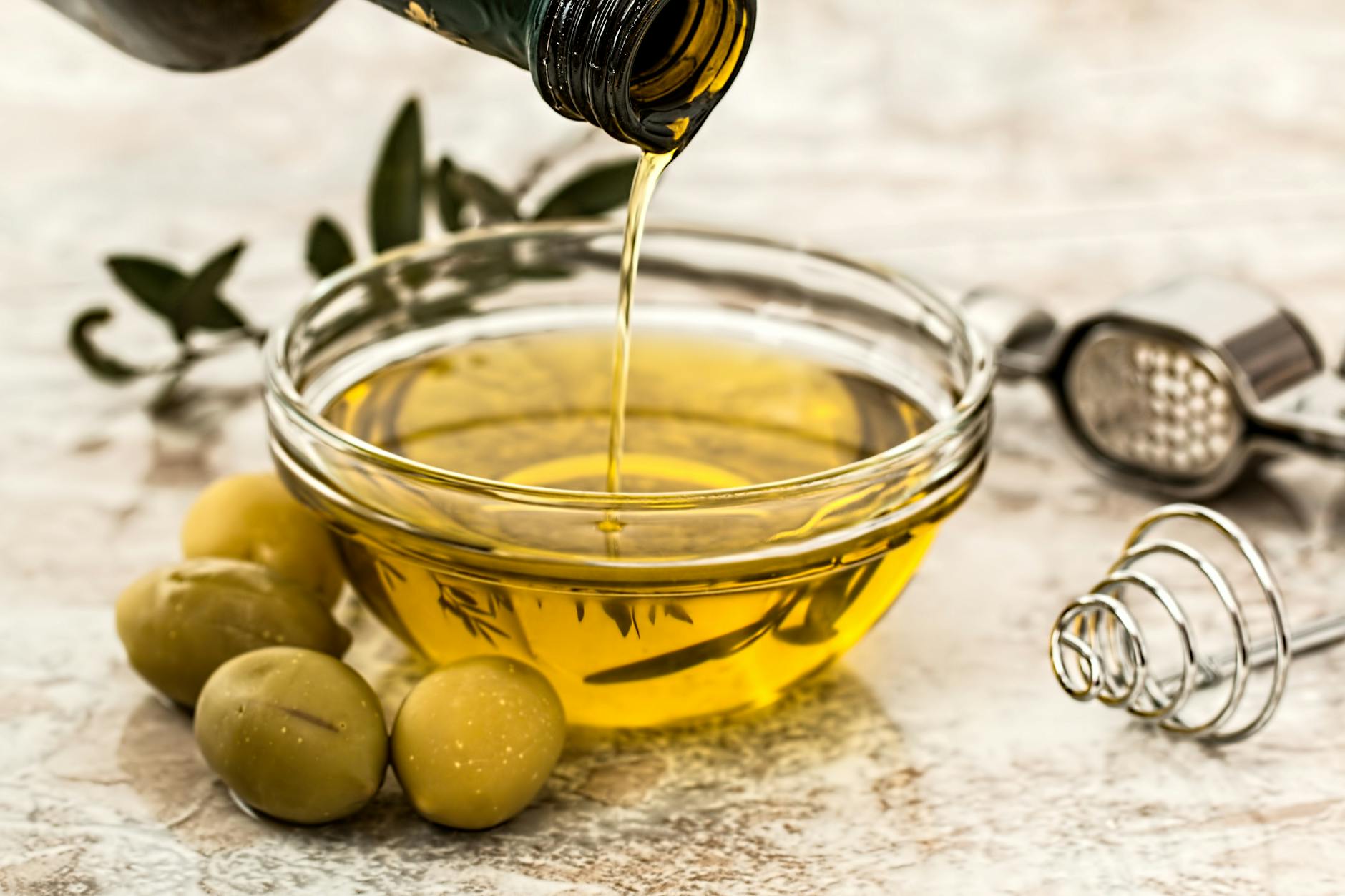
Olive oil is extracted from the fruit of the Olea europaea tree. Unlike seed oils (such as canola, corn, or soybean oil), which require heavy chemical processing, high heat, and petroleum-based solvents to extract, extra virgin olive oil is simply the juice of pressed olives. It is a whole food fat in its purest form, retaining the natural antioxidants, vitamins, and healthy fatty acid profiles found inside the raw fruit.
Decoding the Labels: The Different Types of Olive Oil
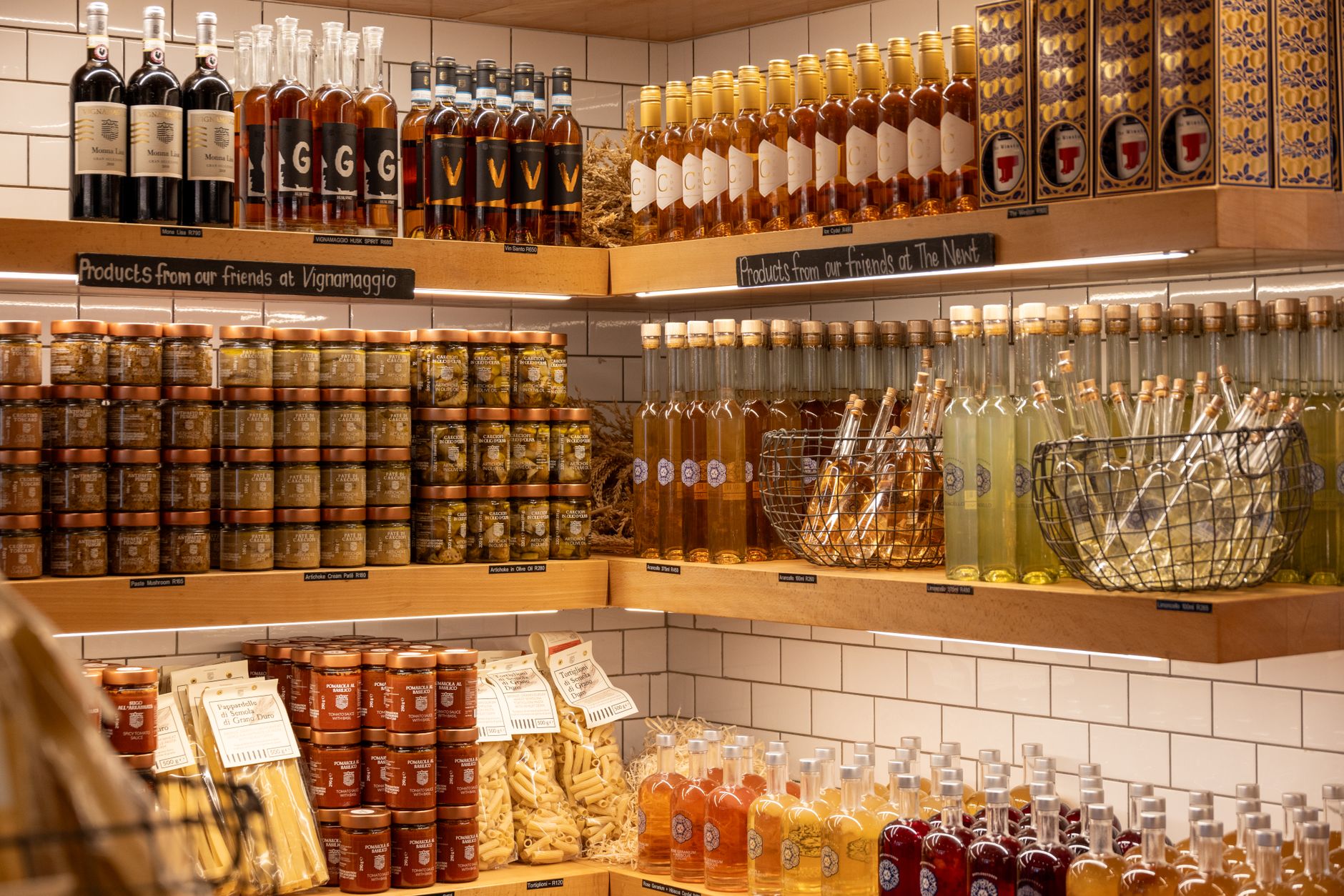
Not all olive oils are created equal. The grading of olive oil is based on how it is extracted, its chemical composition (specifically its free acidity level), and its sensory defects. Here is your roadmap to navigating the olive oil shelf:
1. Extra Virgin Olive Oil (EVOO)
This is the holy grail of the olive oil world. To be classified as "extra virgin," the oil must be extracted solely by mechanical or physical means under conditions that do not alter the oil (meaning no heat or chemical solvents are used). Furthermore, it must pass rigorous chemical testing and a sensory panel test to ensure it has zero taste defects and possesses a fruity, fresh aroma.
- Acidity Level: Less than 0.8%
- Flavor Profile: Ranges from delicate and buttery to robust, pungent, and peppery, depending on the olive variety and harvest time.
- Best Uses: Finishing dishes, making salad dressings, drizzling over soups, dipping crusty artisanal bread, and low-to-medium heat sautéing.
2. Virgin Olive Oil
Similar to extra virgin, virgin olive oil is also obtained purely through mechanical processes without chemical refining. However, it may have minor sensory defects or a slightly higher acidity level (up to 2.0%). While still a good quality oil, it lacks the pristine complexity of extra virgin olive oil.
- Best Uses: Everyday cooking where the nuanced flavor of the oil won't be the star of the dish.
3. Refined Olive Oil
Sometimes simply labeled as "olive oil" or "pure olive oil," this product is a blend of refined oils and a small percentage of virgin or extra virgin olive oil (added back for color and flavor). Refined olive oil comes from lower-quality olives that underwent mechanical or chemical processing to neutralize odors, acidity, and defects.
- Flavor Profile: Very neutral, lacking the characteristic fruitiness or pepperiness of EVOO.
- Best Uses: High-heat cooking, frying, or baking where you do not want an olive flavor to overpower your recipe.
4. Light or Mild Olive Oil
Do not be fooled by the word "light"—this has nothing to do with calories! Both light and regular olive oils have the exact same calorie and fat content as extra virgin olive oil (about 120 calories per tablespoon). The term "light" refers entirely to the flavor, color, and aroma, which have been heavily filtered and refined to be virtually tasteless.
- Best Uses: Baking cakes or pastries where you want to substitute butter or vegetable oil with a heart-healthy fat without imparting an olive flavor.
5. Olive Pomace Oil
Pomace is the solid residue that remains after the olives are pressed for virgin and extra virgin oils (including the skins, pulp, and pits). Chemical solvents are used to extract the remaining oil from this pomace. This oil is heavily refined and blended with a touch of virgin oil. It is generally considered the lowest quality cooking oil derived from the olive fruit and is best avoided for health-focused culinary enthusiasts.
The Health Benefits of High-Quality Olive Oil

Incorporating genuine extra virgin olive oil into your daily routine is one of the most powerful health upgrades you can make. Here is what modern science has to say about liquid gold:
1. Packed with Powerful Antioxidants
Extra virgin olive oil is rich in biologically active compounds, most notably polyphenols such as oleocanthal and oleuropein. These potent antioxidants fight free radicals in the body, reduce oxidative stress, and protect your cells from premature aging and chronic inflammation.
2. Heart-Healthy Monounsaturated Fats
Approximately 73% of the fat content in EVOO consists of oleic acid, a monounsaturated fatty acid. Studies consistently show that oleic acid helps reduce systemic inflammation and has beneficial effects on genes linked to cardiovascular health. It can help lower LDL ("bad") cholesterol and maintain HDL ("good") cholesterol levels.
3. Fights Inflammation
Chronic inflammation is a primary driver of modern ailments, including heart disease, metabolic syndrome, type 2 diabetes, and cancer. The antioxidant oleocanthal found in olive oil has been shown to work similarly to ibuprofen, a popular anti-inflammatory drug, naturally helping to soothe inflammatory pathways in the body.
4. Supports Brain Health and Cognitive Function
The polyphenols in extra virgin olive oil act as neuroprotectants. Research suggests that regular consumption of EVOO can help clear brain plaques associated with Alzheimer's disease, improving memory, learning, and overall cognitive longevity.
Dispelling the Myth: Can You Cook with Extra Virgin Olive Oil?
For years, a pervasive kitchen myth claimed that cooking with extra virgin olive oil was dangerous because its smoke point was too low, causing it to release harmful toxins when heated. This is entirely false.
High-quality extra virgin olive oil has a smoke point ranging from 375°F to 410°F (190°C to 210°C), which is more than high enough for everyday cooking methods like roasting, sautéing, stir-frying, and pan-searing. Furthermore, because EVOO is packed with stable monounsaturated fats and powerful antioxidants, it resists oxidation and breakdown when exposed to heat far better than refined seed oils. While you shouldn't use your most expensive, artisan finishing oil for deep-frying, standard extra virgin olive oil is a phenomenal and safe choice for everyday cooking.
Step-by-Step Recipe: Authentic Greek Lemon-Herb Olive Oil Vinaigrette
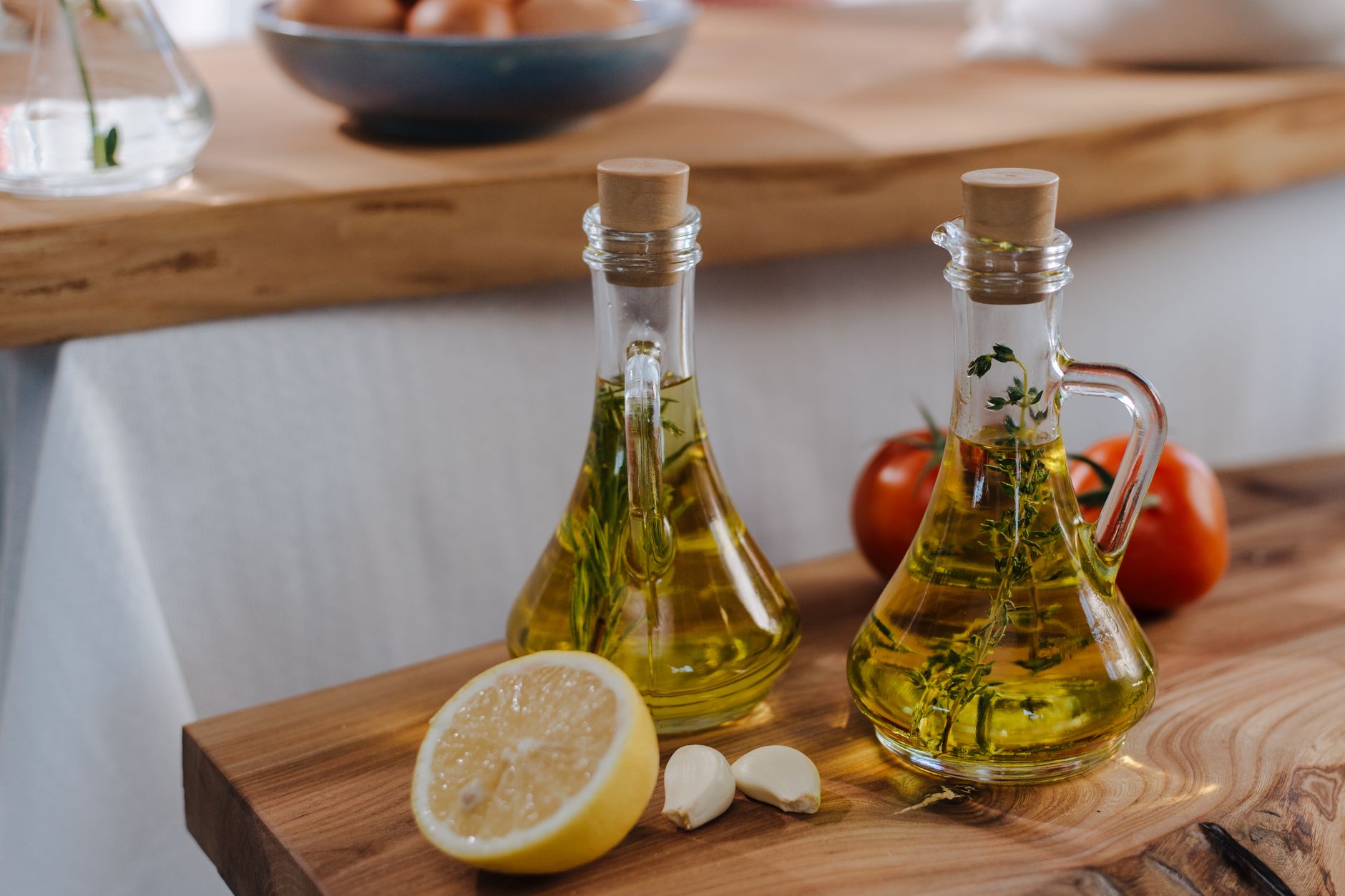
To truly appreciate the vibrant flavor of quality olive oil, you need to let it shine in an unheated application. Here is a simple, foolproof recipe for a traditional Mediterranean dressing that elevates any salad, grain bowl, or roasted vegetable.
Ingredients:
- 1/2 cup high-quality Extra Virgin Olive Oil (look for a robust, peppery variety)
- 3 tablespoons fresh-squeezed lemon juice
- 1 clove garlic, minced or grated into a paste
- 1 teaspoon dried oregano (Greek oregano preferred)
- 1 teaspoon Dijon mustard (acts as a natural emulsifier)
- Sea salt and freshly cracked black pepper, to taste
Instructions:
- Prepare the Base: In a small glass bowl or a mason jar, combine the minced garlic, sea salt, black pepper, dried oregano, and fresh lemon juice. Let the mixture sit for 5 minutes; the acid in the lemon juice helps mellow the raw bite of the garlic.
- Incorporate the Mustard: Add the Dijon mustard to the bowl. Whisk vigorously with a fork or small whisk until well combined. The mustard will help bind the oil and acid together.
- Emulsify the Oil: While whisking continuously (or sealing and vigorously shaking the mason jar), slowly drizzle in the extra virgin olive oil in a thin, steady stream. As you add the oil, you will notice the dressing transform into a glossy, thick, cohesive emulsion.
- Taste and Adjust: Dip a leaf of lettuce or a piece of cucumber into the dressing and taste. Add a pinch more salt or lemon juice if needed.
- Serve and Store: Drizzle generously over a classic Greek salad loaded with tomatoes, cucumbers, kalamata olives, and feta cheese. Store any leftovers in a sealed glass jar in the refrigerator for up to one week. Bring to room temperature and shake before using again.
Nutrition Facts
Here is the nutritional breakdown for 1 tablespoon (15ml) of pure Extra Virgin Olive Oil:
| Nutrient | Amount per Tablespoon | % Daily Value (DV) |
|---|---|---|
| Calories | 119 kcal | 6% |
| Total Fat | 13.5 g | 21% |
| Saturated Fat | 1.9 g | 9% |
| Monounsaturated Fat | 9.9 g | - |
| Polyunsaturated Fat | 1.4 g | - |
| Sodium | 0 mg | 0% |
| Total Carbohydrates | 0 g | 0% |
| Protein | 0 g | 0% |
| Vitamin E | 1.9 mg | 10% |
| Vitamin K | 8.1 mcg | 10% |
Frequently Asked Questions (FAQ)
1. How should I store olive oil to keep it fresh?
Olive oil has three mortal enemies: heat, light, and oxygen. To preserve its delicate antioxidants and flavor, always store your olive oil in a dark glass bottle or tin container in a cool, dark place away from the stove. Ensure the cap is tightly closed after every use. Avoid buying massive plastic jugs of olive oil unless you plan to use them very quickly, as plastic allows light and air to degrade the oil.
2. Does olive oil expire or go bad?
Yes! Unlike wine, olive oil does not improve with age. It is best consumed within 12 to 18 months of harvest. Always check the harvest date on the bottle rather than just the "best by" date. If your olive oil smells like old crayons, Play-Doh, or vinegar, it has gone rancid and should be discarded.
3. What is the difference between cold-pressed and regular olive oil?
"Cold-pressed" means that during the mechanical extraction of the oil, the temperature of the olive paste did not exceed 81°F (27°C). Keeping temperatures low is vital because heat destroys delicate aromatic compounds and reduces the nutritional value of the polyphenols.
4. Can I bake with olive oil instead of butter?
Absolutely! Substituting olive oil for butter or vegetable oil in baking is a fantastic way to add heart-healthy fats to quick breads, muffins, olive oil cakes, and brownies. If you are baking something with a delicate flavor profile (like a vanilla sponge cake), opt for a mild or light-tasting olive oil so it doesn't overpower the dessert.
Conclusion
Olive oil is truly a culinary and nutritional marvel. By understanding the differences between extra virgin, refined, and specialized olive oils, you can elevate your cooking techniques and maximize your daily nutrient intake. Whether you are whisking together a zesty Mediterranean vinaigrette, roasting seasonal vegetables, or simply dipping a piece of sourdough bread into a pool of robust liquid gold, incorporating quality olive oil into your lifestyle is a delicious step toward vibrant vitality. Here is to your health and happy cooking from all of us at VitalityDish!