

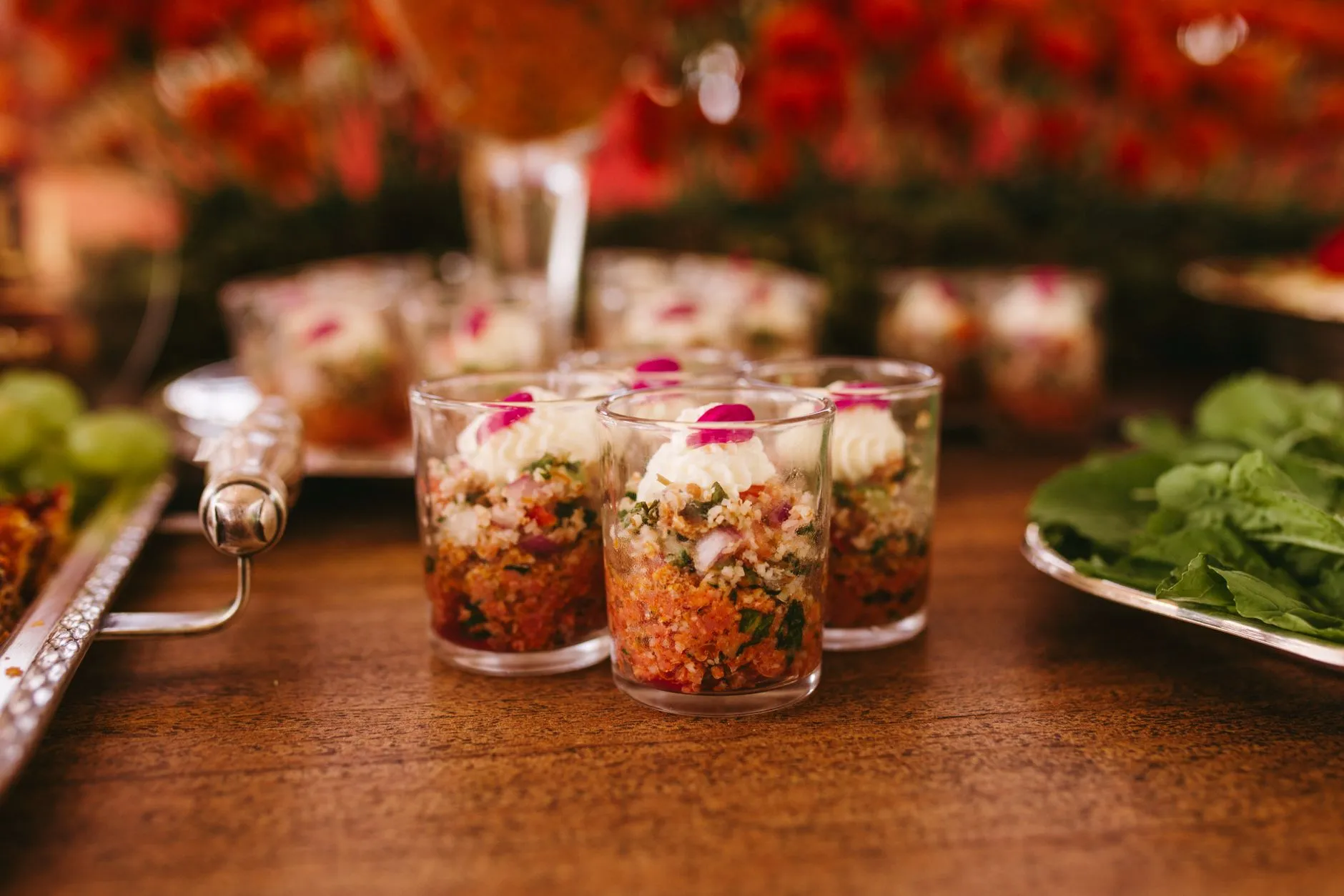
The Ultimate Quinoa Tabbouleh Bowl: A Fresh and Protein-Packed Mediterranean Masterpiece
Welcome back to VitalityDish, your ultimate online destination for vibrant, life-affirming recipes that celebrate the sun-drenched flavors of the Mediterranean diet. If you are on the hunt for a dish that instantly transports you to a breezy outdoor café overlooking the Aegean Sea, you have landed in the right place. Today, we are elevating a classic Middle Eastern staple into a hearty, modern powerhouse meal: the Quinoa Tabbouleh Bowl.
Traditional tabbouleh is a beloved herb-forward salad that relies heavily on finely chopped parsley, fresh mint, juicy tomatoes, cucumbers, scallions, and a modest amount of cracked bulgur wheat, all dressed simply in extra virgin olive oil and freshly squeezed lemon juice. While authentic bulgur is undeniably delicious, replacing it with fluffy, nutrient-dense quinoa transforms this classic side dish into a deeply satisfying, gluten-free, complete-protein main course. It is bright, citrusy, remarkably crunchy, and endlessly versatile.
Whether you are searching for an energizing midday lunch, a vibrant side for your next backyard gathering, or a meal-prep champion that actually tastes better on day two, this Quinoa Tabbouleh Bowl checks every single box. Let’s dive deep into why this recipe deserves a permanent spot in your weekly rotation, explore its stellar health benefits, walk through a step-by-step preparation guide, and answer all your burning culinary questions!
Why the Mediterranean Diet Shines Through This Bowl
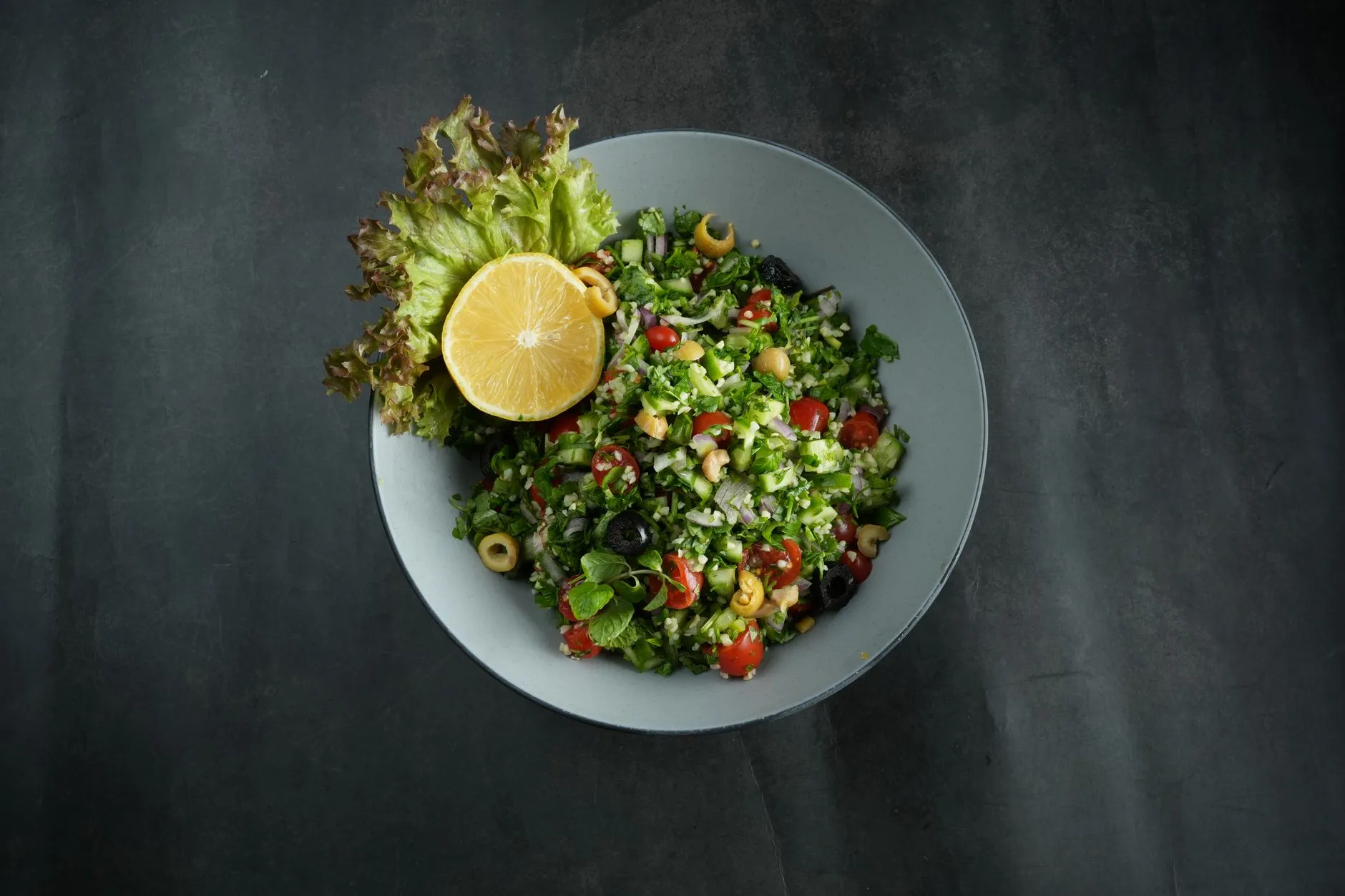
The Mediterranean diet is globally celebrated by cardiologists, nutritionists, and food lovers alike. It is not a restrictive fad diet; rather, it is a sustainable lifestyle rooted in the traditional eating habits of countries bordering the Mediterranean Sea. The core tenets include an abundance of fresh vegetables, whole grains, legumes, herbs, and healthy fats—specifically extra virgin olive oil—with moderate consumption of fish and poultry.
Our Quinoa Tabbouleh Bowl embodies these principles in every single bite. The sheer volume of flat-leaf parsley and fresh mint delivers an explosion of antioxidants and vitamins. The extra virgin olive oil provides heart-healthy monounsaturated fats that help your body absorb fat-soluble vitamins. Meanwhile, incorporating protein-rich grains ensures you stay full and focused for hours. If you love building vibrant, grain-and-herb-based bowls, you will also fall head over heels for The Ultimate Guide to Mediterranean Chickpea Salad, which offers a similarly refreshing flavor profile packed with plant-based protein.
Health Benefits: Why Your Body Will Thank You
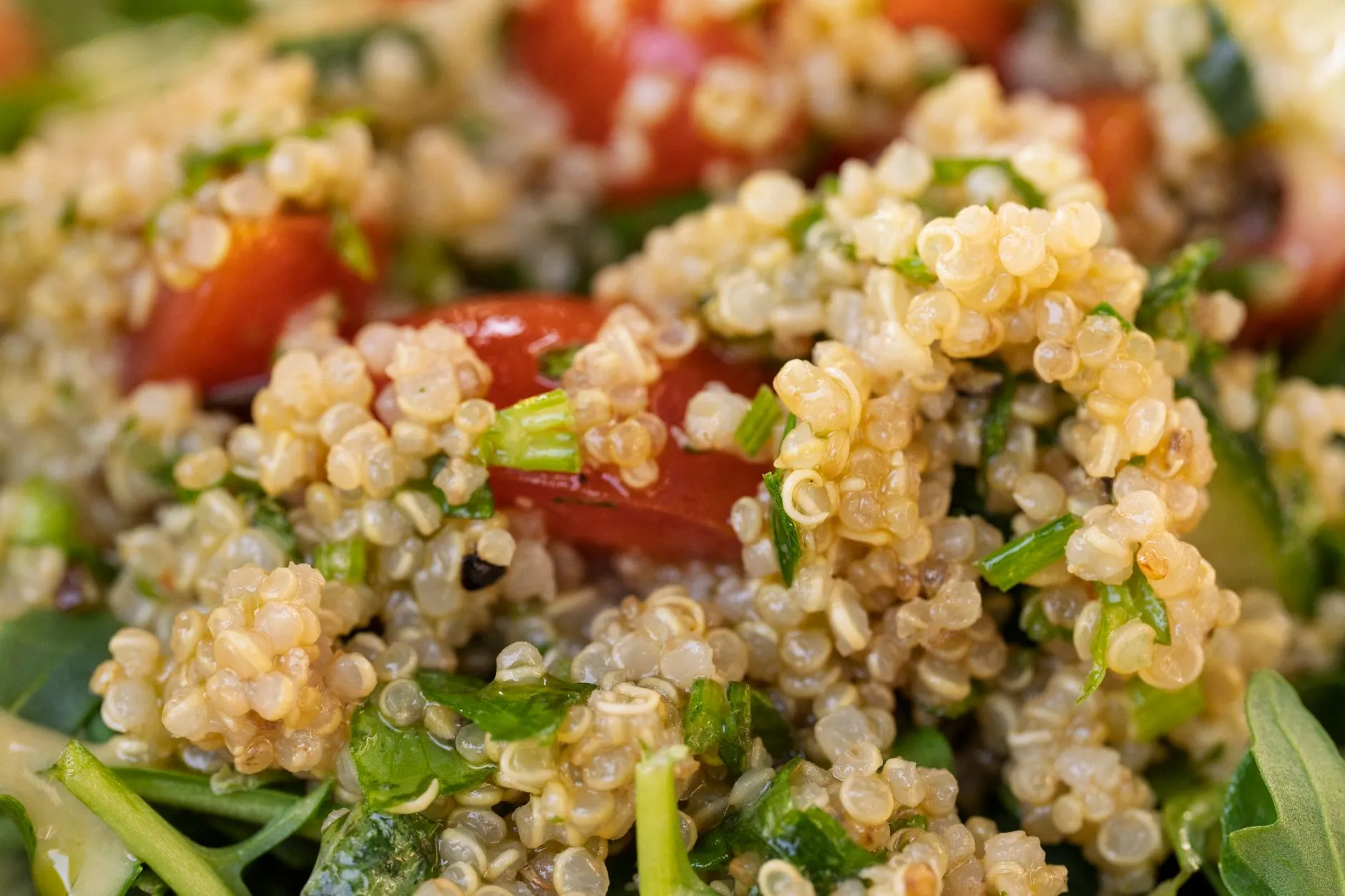
Eating for vitality means choosing ingredients that nourish your cells, support digestion, and keep your energy levels stable throughout the day. Here is a closer look at the nutritional rockstars packed inside every bowl of Quinoa Tabbouleh:
- Complete Plant-Based Protein: Unlike most plant foods, quinoa is a complete protein source, meaning it contains all nine essential amino acids that your body cannot synthesize on its own. This makes our Quinoa Tabbouleh Bowl a fantastic option for vegetarians, vegans, and anyone looking to reduce their meat intake without sacrificing muscle support.
- Abundant Antioxidants: Parsley is often used merely as a plate garnish, but in tabbouleh, it is the star of the show! Parsley is exceptionally rich in flavonoids and vitamins A, C, and K, which help combat oxidative stress and support immune function.
- Heart-Healthy Fats: Extra virgin olive oil is the undisputed liquid gold of the Mediterranean diet. Packed with polyphenols and oleic acid, it supports cardiovascular health, helps maintain healthy cholesterol levels, and imparts a luxurious, velvety mouthfeel to the dish.
- High Fiber Content: The combination of fiber-rich quinoa, cucumbers, tomatoes, and fresh herbs promotes healthy digestion, regulates blood sugar levels, and keeps you feeling satiated long after your meal is finished.
For mornings when you want to start your day with a similar emphasis on healthy fats and wholesome grains, be sure to check out The Ultimate Guide to Avocado and Olive Oil Toast: for a quick, luxurious breakfast inspiration.
Ingredients You Will Need
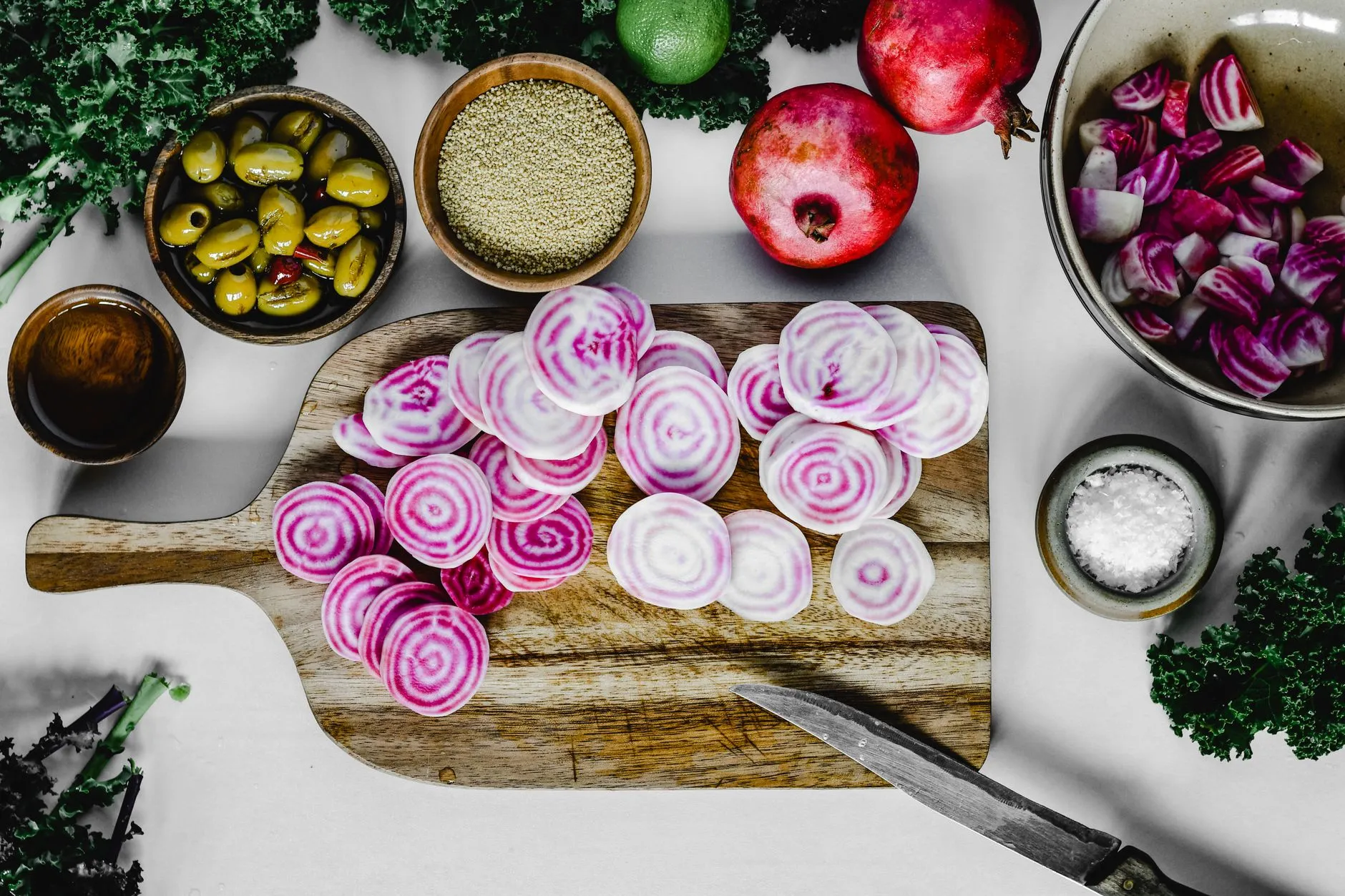
The magic of Mediterranean cooking lies in the quality of your ingredients. Because this dish features raw vegetables and minimal cooking, sourcing fresh, seasonal produce makes all the difference.
For the Quinoa Base:
- 1 cup dry white or tri-color quinoa, rinsed thoroughly
- 2 cups low-sodium vegetable broth or water
- A pinch of sea salt
For the Tabbouleh Salad:
- 3 packed cups flat-leaf Italian parsley, finely chopped (stems removed)
- 1 cup fresh mint leaves, finely chopped
- 4 medium vine-ripened tomatoes, seeded and finely diced
- 1 large English cucumber, finely diced
- 4 green onions (scallions), thinly sliced (white and green parts)
For the Citrus-Herb Dressing:
- 1/3 cup extra virgin olive oil (use a high-quality, cold-pressed variety)
- 1/4 cup fresh lemon juice (about 2 large lemons)
- 1 clove garlic, minced or grated on a microplane
- 1 teaspoon ground cumin
- 1/2 teaspoon ground allspice (optional, adds a wonderful authentic warmth)
- Sea salt and freshly cracked black pepper to taste
Optional Protein Boosters & Toppings:
- 1 cup cooked chickpeas (rinsed and drained)
- Crumbled sheep's milk feta cheese (optional, omit for a vegan version)
- Kalamata olives for serving
Step-by-Step Instructions: How to Make the Ultimate Quinoa Tabbouleh Bowl
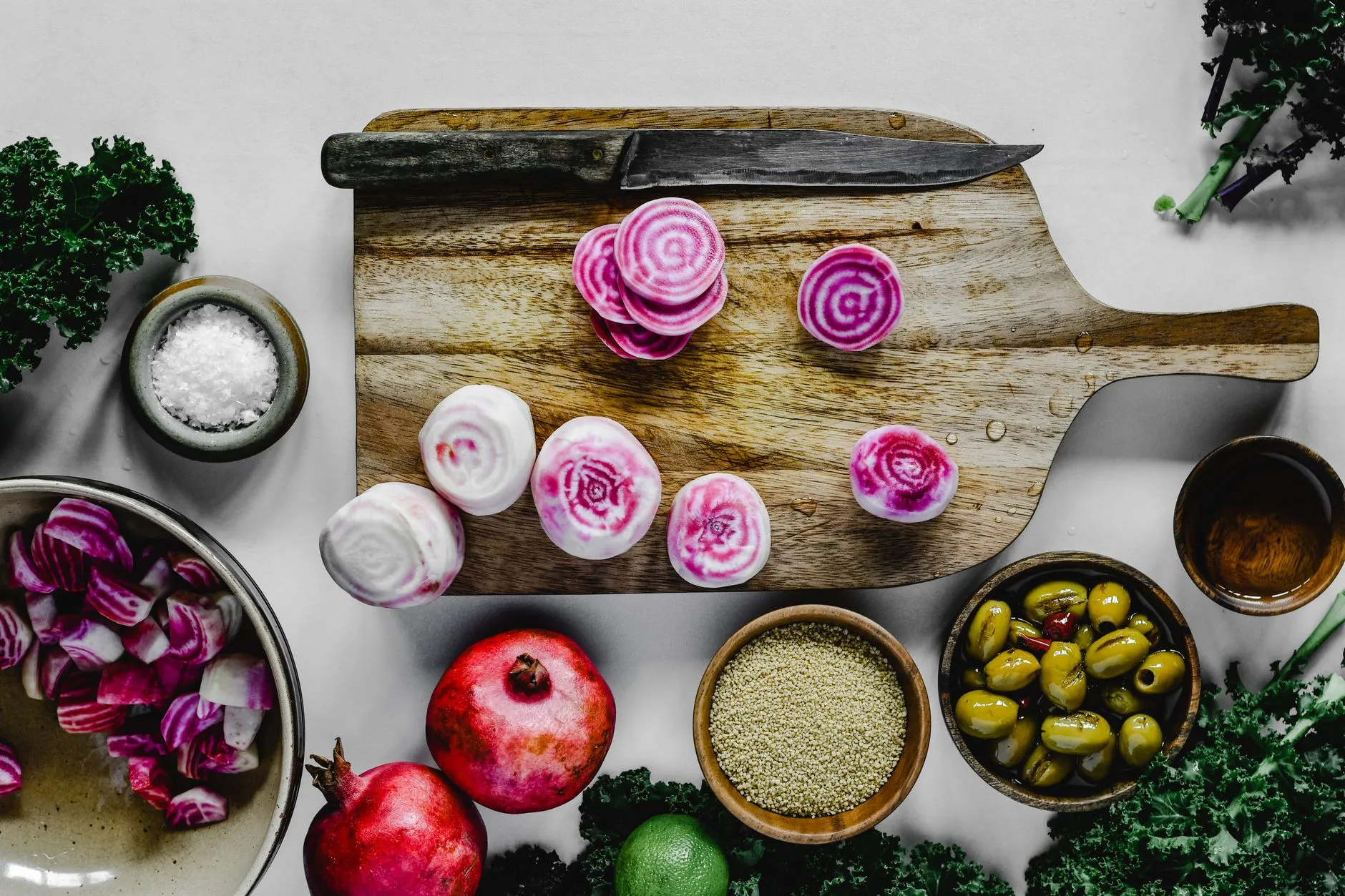
Preparing this recipe is a therapeutic culinary exercise. As you chop the fragrant herbs and whisk the zesty dressing, your kitchen will fill with the intoxicating aromas of the Mediterranean.
Step 1: Cook and Cool the Quinoa
Start by rinsing your quinoa in a fine-mesh strainer under cold running water for at least 30 seconds. This removes saponin, a natural coating that can sometimes make quinoa taste bitter or soapy. In a medium saucepan, combine the rinsed quinoa with 2 cups of vegetable broth or water and a pinch of salt. Bring to a boil over medium-high heat, then reduce the heat to low, cover with a tight-fitting lid, and simmer for 15 minutes. Remove from heat and let it steam, covered, for another 5 minutes. Fluff with a fork and transfer the quinoa to a large mixing bowl to cool completely to room temperature.
Step 2: Prep the Fresh Herbs and Veggies
While the quinoa is cooking and cooling, turn your attention to the chopping board. Pro-tip: Make sure your knife is ultra-sharp! Dull knives bruise herbs like parsley and mint, turning them into a mushy, discolored paste instead of a vibrant, fluffy chop. Finely mince the parsley and mint, ensuring you discard the thick woody stems of the parsley. Dice your tomatoes and cucumbers into uniform, bite-sized pieces. Slicing them finely ensures every spoonful of your bowl delivers a balanced harmony of texture and flavor.
Step 3: Whisk the Zesty Dressing
In a small glass jar or bowl, whisk together the extra virgin olive oil, freshly squeezed lemon juice, minced garlic, ground cumin, ground allspice, sea salt, and black pepper. Whisk vigorously until the dressing is emulsified. Tasting the dressing at this stage is crucial—it should have a bright, punchy citrus kick that will mellow out once combined with the grains and vegetables.
Step 4: Assemble the Bowl
In your large mixing bowl containing the cooled quinoa, add the chopped parsley, mint, diced tomatoes, cucumbers, and scallions. Pour the vibrant lemon-garlic dressing evenly over the top. Using a large spoon or spatula, gently toss all the ingredients together until thoroughly combined. Ensure every grain of quinoa and speck of green is kissed by the dressing and herbs.
Step 5: Rest and Marinate
While you can eat the quinoa tabbouleh immediately, patience is heavily rewarded here. Cover the bowl and let it sit at room temperature or in the refrigerator for at least 30 minutes before serving. This resting period allows the quinoa to absorb the lemon juice and olive oil, while the tomatoes release their sweet juices into the salad, marrying all the flavors into culinary perfection.
Step 6: Plate and Serve
Spoon the vibrant green quinoa tabbouleh into deep bowls. If desired, crown your creation with roasted chickpeas for extra plant protein, a scattering of creamy feta cheese, and a few whole kalamata olives on the side. If you love pairing grain bowls with succulent proteins, you can also serve this alongside The Ultimate Guide to Greek Lemon Chicken Bowls: H for a magnificent, feast-worthy Mediterranean dinner spread.
Nutrition Facts Table
Curious about the macronutrient breakdown of this wholesome dish? Below is an estimated nutritional profile per serving (based on 4 generous main-course servings, excluding optional feta and chickpeas):
| Nutrient | Amount per Serving | % Daily Value* |
|---|---|---|
| Calories | 320 kcal | 16% |
| Total Fat | 14.5 g | 22% |
| Saturated Fat | 2.0 g | 10% |
| Sodium | 210 mg | 9% |
| Total Carbohydrates | 41.0 g | 14% |
| Dietary Fiber | 7.5 g | 30% |
| Sugars | 6.0 g | - |
| Protein | 9.0 g | 18% |
*Percent Daily Values are based on a 2,000 calorie diet. Your daily values may vary depending on your individual calorie needs.
Chef's Tips for Tabbouleh Perfection
- Keep Tomatoes Dry: When dicing your tomatoes, gently squeeze out the watery seed pulp before adding them to the bowl. This prevents your tabbouleh from becoming watery or soggy, especially if you plan to meal-prep for several days.
- Don't Skimp on Quality Olive Oil: Since olive oil makes up a major component of the dressing flavor, now is the time to break out your best extra virgin olive oil. Look for bottles with harvest dates and dark glass packaging.
- Make It Ahead: Tabbouleh is one of those rare dishes that actually tastes better the next day after the flavors have melded together in the refrigerator. Make a double batch on Sunday for effortless weekday lunches!
For another fantastic meal-prep favorite that pairs wonderfully with vibrant Mediterranean salads, take a look at The Ultimate Guide to Greek Lemon Chicken Bowls: H to expand your culinary repertoire.
Frequently Asked Questions (FAQ)
Can I use traditional bulgur wheat instead of quinoa?
Absolutely! If you prefer a more traditional texture, substitute 1 cup of fine bulgur wheat for the quinoa. Instead of boiling bulgur, simply soak it in boiling water or vegetable broth for 20-30 minutes until tender, then fluff with a fork before mixing.
How long does Quinoa Tabbouleh last in the fridge?
When stored in an airtight container, this salad will keep fresh in the refrigerator for up to 4 days. The herbs will soften slightly over time, but the flavor remains exceptionally bright and delicious.
Is this recipe naturally gluten-free and vegan?
Yes! Quinoa is a naturally gluten-free seed, and the core dressing and salad ingredients are 100% plant-based. If you choose to add feta cheese or dairy-based toppings, it will no longer be strictly vegan, but you can easily use plant-based feta alternatives.
Can I add other vegetables to this bowl?
Definitely. While traditional tabbouleh sticks to parsley, tomatoes, cucumbers, and onions, you can easily customize your bowl with additions like diced bell peppers, roasted chickpeas, avocado slices, or even steamed edamame for an extra protein boost. For an avocado lover's twist on healthy fats, check out The Ultimate Guide to Avocado and Olive Oil Toast: for more green-diet inspiration.
Conclusion
The Quinoa Tabbouleh Bowl is much more than just a salad—it is a celebration of fresh herbs, vibrant colors, and wholesome Mediterranean ingredients that nourish both body and soul. Quick to prepare, endlessly adaptable, and bursting with zesty citrus and earthy olive oil notes, this dish proves that eating healthfully is never a compromise on flavor.
We hope this recipe inspires you to bring a touch of Mediterranean sunshine into your kitchen today. If you whip up a batch of this Quinoa Tabbouleh Bowl, be sure to drop a comment below, share your thoughts, and let us know how you customized your bowl. Stay tuned to VitalityDish for more delicious, health-conscious recipes designed to help you thrive every single day!