

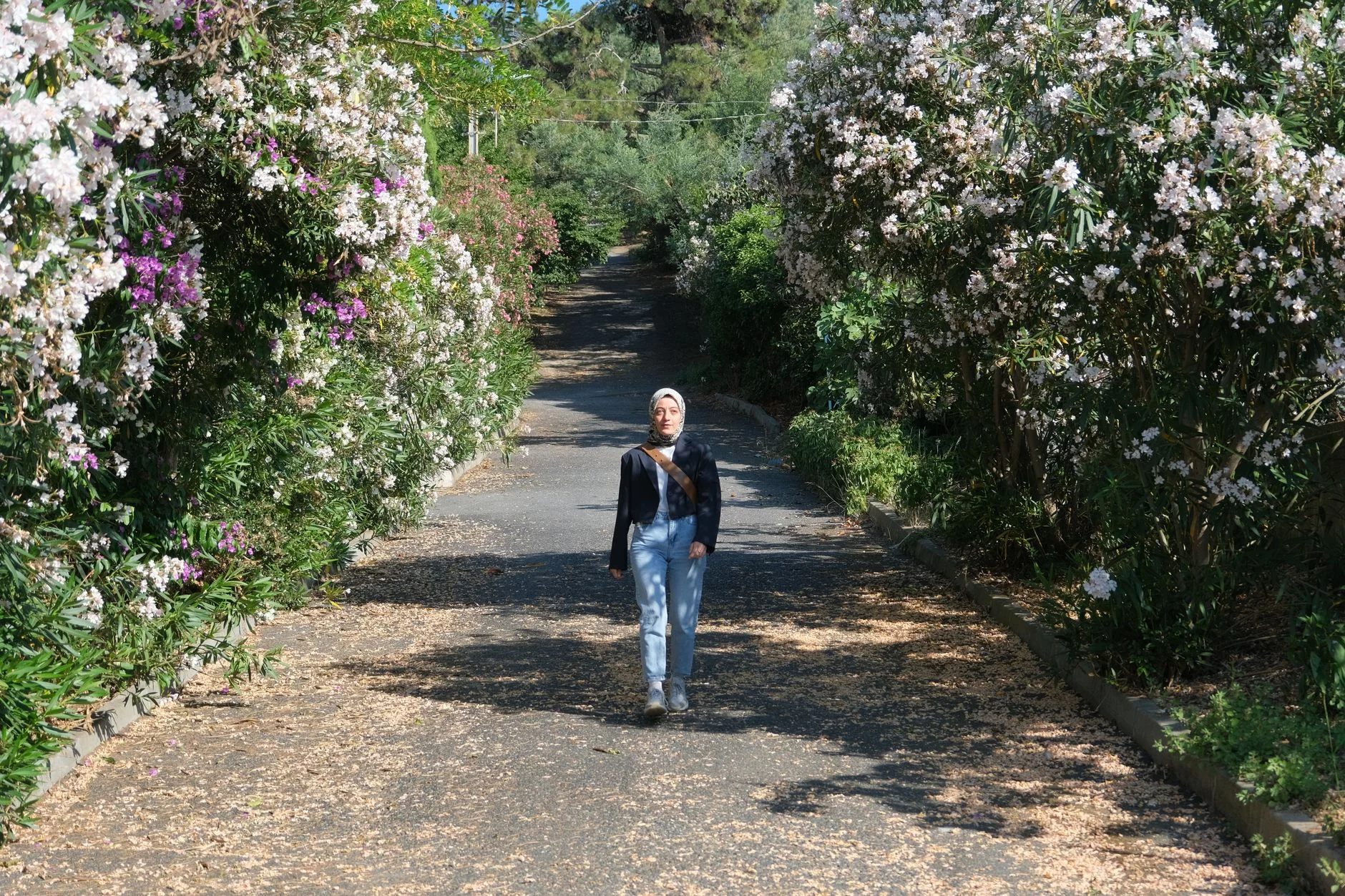
Blue Zones Walking Guide for Longevity
Welcome back to VitalityDish, your ultimate destination for embracing a vibrant, wholesome Mediterranean lifestyle! When we talk about longevity and radiant health, we usually focus on what's on our plates—like vibrant vegetables, heart-healthy fats, and antioxidant-rich superfoods. However, wellness is a holistic puzzle. Today, we are exploring a movement-based secret from the world's longest-living populations. If you want to transform your vitality, you need to understand The Art of the Daily Stroll: How the Blue Zones Approach to Walking Boosts Longevity.
People living in the Blue Zones—unique regions across the globe where residents routinely live active lives past the age of 100—don't pump iron in crowded gym memberships or run grueling marathons. Instead, they naturally build movement into their daily routines. Walking is their medicine, their social hour, and their quiet time. Let's dive deep into this lifestyle practice, breaking down how you can adopt the Blue Zones walking mindset for a healthier, happier life.
What is the Blue Zones Walking Approach?
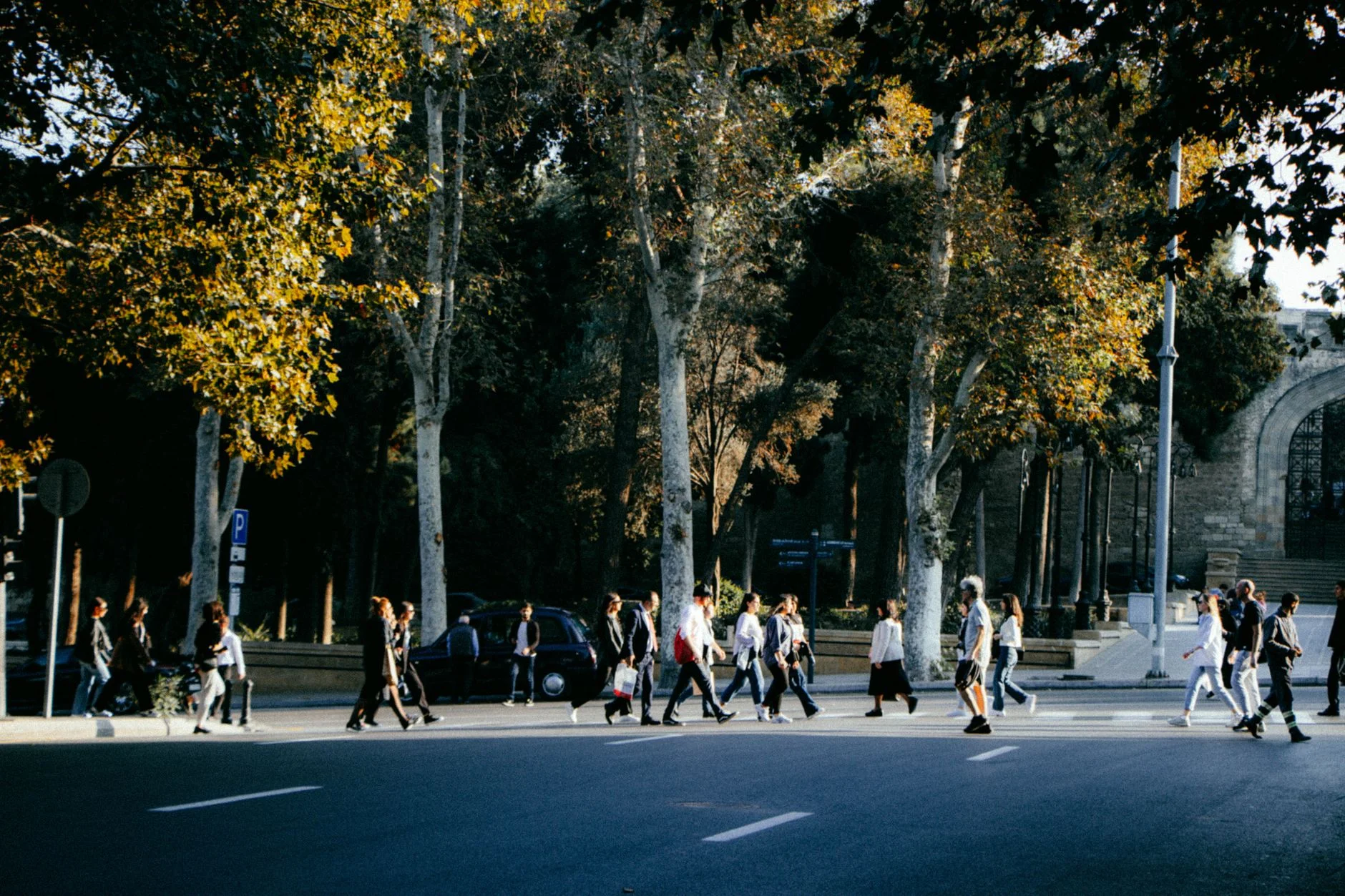
Unlike structured, high-intensity workouts that can sometimes feel like a chore, the Blue Zones approach to walking is entirely organic. It is a seamless integration of physical movement into everyday life. In places like Ikaria, Greece, or Sardinia, Italy, walking is simply how people get from point A to point B. Whether they are strolling to the local market, visiting neighbors up steep hills, or tending to gardens, movement is woven into the very fabric of their culture.
Embracing The Art of the Daily Stroll: How the Blue Zones Approach to Walking Boosts Longevity means shifting your mindset from exercise as punishment to walking as a joyful celebration of what your body can do. It requires no fancy equipment—just a comfortable pair of shoes and a willingness to explore your neighborhood at a relaxed, sustainable pace.
Nutritional & Lifestyle Profile of Walking

While walking isn't a food, viewing it through an ingredient-like wellness lens highlights its profound impact on your biological system. Here is what a consistent walking routine brings to your health profile:
| Metric / Biomarker | Impact of Daily Strolling |
|---|---|
| Cardiovascular Health | Lowers resting heart rate and improves circulation. |
| Metabolic Balance | Enhances insulin sensitivity and blood sugar regulation. |
| Stress Reduction | Lowers cortisol levels through mindful, low-impact pacing. |
| Joint Longevity | Maintains synovial fluid movement without high-impact wear. |
Health Benefits of the Daily Stroll
Why is natural movement so powerful? Incorporating a daily walking habit provides incredible therapeutic advantages for both body and mind. When you master The Art of the Daily Stroll: How the Blue Zones Approach to Walking Boosts Longevity, you unlock a cascade of wellness perks:
- Heart Health: Regular aerobic movement strengthens your cardiovascular system, keeping your blood pressure in a healthy range.
- Mental Clarity: Walking outdoors boosts endorphins and reduces brain fog. Pair your walk with a light meal afterward, such as The Ultimate Guide to Mediterranean Chickpea Salad, to fuel your mind and body optimally.
- Enhanced Digestion: A leisurely post-meal walk helps stimulate gastric motility, helping your body process nutrients efficiently.
- Social Connection: Walking with a friend or family member fosters deep conversations, supporting emotional longevity, which is a massive component of the Blue Zones philosophy.
To further boost your daily vitality, consider exploring our curated advice on The Ultimate Guide to Top 10 Superfoods for Energy to ensure your nutritional intake matches your active lifestyle.
How to Integrate Walking into Your Daily Routine

You don't need to quit your job or move to a remote Greek island to practice The Art of the Daily Stroll: How the Blue Zones Approach to Walking Boosts Longevity. Here are a few simple ways to weave it into your day:
- The Post-Meal Walk: Adopt the European tradition of the *volta*—an evening stroll after dinner to clear your mind and aid digestion.
- Active Commuting: If possible, walk to nearby errands, park your car further away from store entrances, or take walking meetings.
- Mindful Nature Walks: Leave your headphones behind a few times a week to tune into your surroundings, reducing sensory overload and stress.
After a refreshing outdoor walk, you'll likely work up a healthy appetite. Whip up a quick, nourishing dish using ideas from The Ultimate Guide to 10 Quick Mediterranean Cooking to keep your day effortless and delicious.
Storage & Consistency Tips
While you can't "store" walking in a pantry, you can preserve your habit through consistency and proper preparation!
- Gear Placement: Keep your favorite walking shoes right by the front door as a visual cue.
- Weather Preparedness: Store a lightweight rain jacket and a reusable water bottle near your exit to remove any friction standing between you and your daily stroll.
- Track Your Joy, Not Just Steps: Instead of obsessing over step counts, focus on how energized and peaceful you feel during your walk.
Frequently Asked Questions
How long should my daily walk be for longevity benefits?
Research from Blue Zones suggests that multiple short walks throughout the day—totaling 30 to 60 minutes—are exceptionally beneficial. Even a simple 15-minute stroll after lunch and dinner can work wonders for your blood sugar and metabolism.
Can walking replace high-intensity workouts?
For longevity, consistency trumps intensity. While vigorous exercise has its place, daily low-impact walking reduces the risk of injury and chronic burnout, making it a sustainable practice you can maintain well into your golden years.
What should I eat before or after my daily stroll?
You don't need heavy meals before walking. A light snack like avocado toast dressed with high-grade extra virgin olive oil is wonderful. For inspiration, check out The Ultimate Guide to Avocado and Olive Oil Toast: for a quick pre- or post-walk bite!