

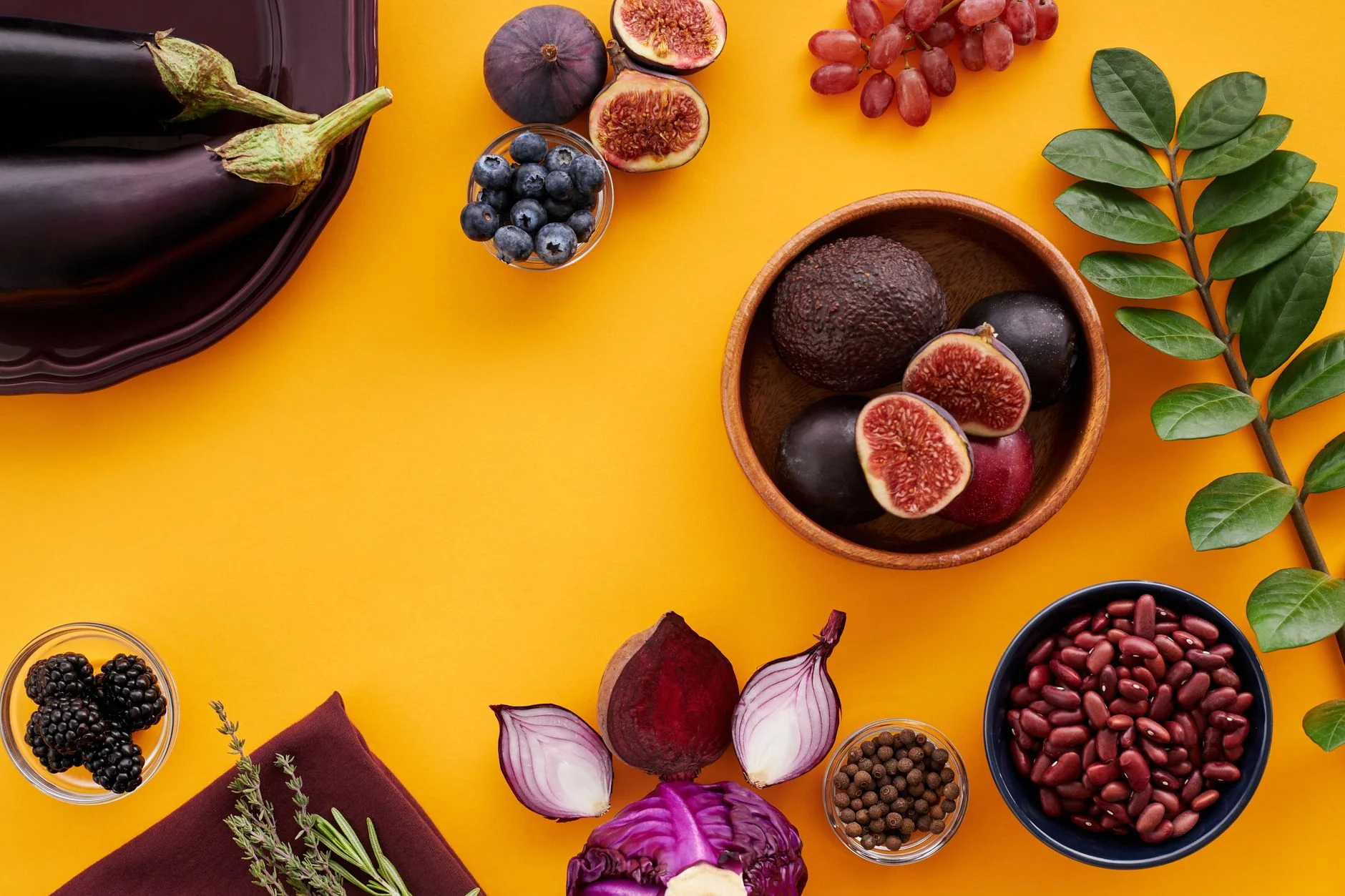
The Polyphenol Paradox: Why Colorful Plates Transform Your Gut Microbiome
Welcome back to VitalityDish, your ultimate online destination for vibrant living and authentic Mediterranean wellness! Have you ever looked down at your lunch and wondered why nutritionists are always obsessing over how many colors are on your plate? It is not just about making your Instagram feed look pretty. There is a fascinating biological phenomenon at play often called **The Polyphenol Paradox: Why Colorful Plates Transform Your Gut Microbiome**. When we dive into the science of vibrant eating, we discover that the very compounds plants use to protect themselves from the sun end up becoming the ultimate fuel for our inner ecosystem. If you are looking to enhance your digestion, boost your energy, and embrace a sustainable lifestyle—perhaps alongside Sustainable Weight Management: The Mediterranean W approach—understanding this paradox is your golden ticket.
Before we fire up the kitchen, let's explore what makes this nutritional concept so revolutionary. The paradox lies in the fact that our bodies actually absorb only a tiny fraction of the polyphenols we eat. Where do the rest go? They travel all the way down to our colon, where our gut bacteria feast on them like fine dining. This process not only nourishes beneficial microbes but also produces gut-healing metabolites that support everything from glowing skin to sharp cognitive function. Speaking of vibrant ingredients, if you love plant-forward eating, you might also want to check out 7 Ways Cretan Dakos Salad Heals Your Gut for more inspiration on how traditional Mediterranean meals optimize digestive wellness.
Understanding The Polyphenol Paradox: Why Colorful Plates Transform Your Gut Microbiome

To truly harness the power of healthy eating, we must look closer at **The Polyphenol Paradox: Why Colorful Plates Transform Your Gut Microbiome** in our daily routines. Different colors represent distinct classes of phytonutrients. Deep purples and blues indicate anthocyanins, bright reds often mean lycopene, and rich greens signify chlorophyll and glucosinolates. When you combine these elements, you create a diverse microbial environment. This diversity is the bedrock of robust immune function and overall vitality. Furthermore, pairing these colorful plant compounds with healthy fats—much like how Why Omega-3 Rich Seafood Protects Your Heart highlights the synergy of the Mediterranean diet—drastically increases the bioavailability of these powerful nutrients.
Quick Recipe: Mediterranean Rainbow Antioxidant Bowl
Ready to put science into practice? This quick, vibrant recipe is packed with polyphenols, fiber, and healthy fats to kickstart your microbiome transformation. It is simple, delicious, and deeply satisfying.
Ingredients
- 1 cup organic baby spinach and arugula mix
- 1/2 cup cooked tricolor quinoa
- 1/2 cup cherry tomatoes, halved (try pairing with ideas from Protect Your Arteries with This Tomato Recipe)
- 1/4 cup purple cabbage, finely shredded
- 1/4 cup diced cucumbers
- 2 tbsp Kalamata olives, pitted
- 2 tbsp crumbled authentic feta cheese
- 1 tbsp extra virgin olive oil
- 1 tsp fresh lemon juice
- A pinch of dried oregano, sea salt, and black pepper
Step-by-Step Instructions
- Prep the Base: In a wide, shallow bowl, create a lush bed of the mixed baby spinach and arugula. This provides your base layer of leafy green phytonutrients.
- Layer the Colors: Arrange the cooked tricolor quinoa, halved cherry tomatoes, shredded purple cabbage, and diced cucumbers in neat, colorful sections over the greens. Visual variety encourages mindful eating!
- Add Mediterranean Flair: Scatter the Kalamata olives and crumbled feta cheese across the top for bursts of savory flavor and healthy monounsaturated fats.
- It’s Dressing Time: In a small bowl, whisk together the extra virgin olive oil, fresh lemon juice, dried oregano, sea salt, and black pepper until emulsified.
- Toss and Enjoy: Drizzle the zesty dressing over your bowl just before serving. Toss gently to ensure every bite is coated in goodness, then savor your gut-loving masterpiece!
Nutrition Facts
| Nutrient | Amount |
|---|---|
| Calories | 340 kcal |
| Total Fat | 22g |
| Saturated Fat | 4g |
| Carbohydrates | 28g |
| Dietary Fiber | 6g |
| Protein | 8g |
Pro Tips for Maximizing Gut Health
- Eat the Rainbow Daily: Try to incorporate at least 4 to 5 different colors on your plate every single day to maximize microbial diversity.
- Don't Skip the Fat: Polyphenols love fat! Always dress your salads and veggies with high-quality extra virgin olive oil to boost absorption.
- Keep the Skins On: Whenever possible, eat organic fruits and vegetables with their skins intact, as this is where the highest concentration of polyphenols lives.
Frequently Asked Questions

What are polyphenols and why are they important for gut health?
Polyphenols are naturally occurring plant compounds packed with antioxidant properties. While our bodies absorb a small amount, the majority reach the colon where they act as prebiotics, feeding beneficial gut bacteria and promoting a healthy microbiome.
Can I meal prep this rainbow bowl ahead of time?
Yes, you can prep the grains, chop the veggies, and store them in airtight containers for up to 3 days. However, wait to add the dressing and wet ingredients like tomatoes until right before you are ready to eat to keep everything crisp and fresh.
How does the Mediterranean diet support the microbiome?
The Mediterranean diet is rich in fiber, diverse plant foods, polyphenols, and healthy fats like olive oil. This diverse nutrient profile creates an optimal environment for a thriving, resilient gut microbiome.